

Where natural and artificial light shape intelligent building envelopes
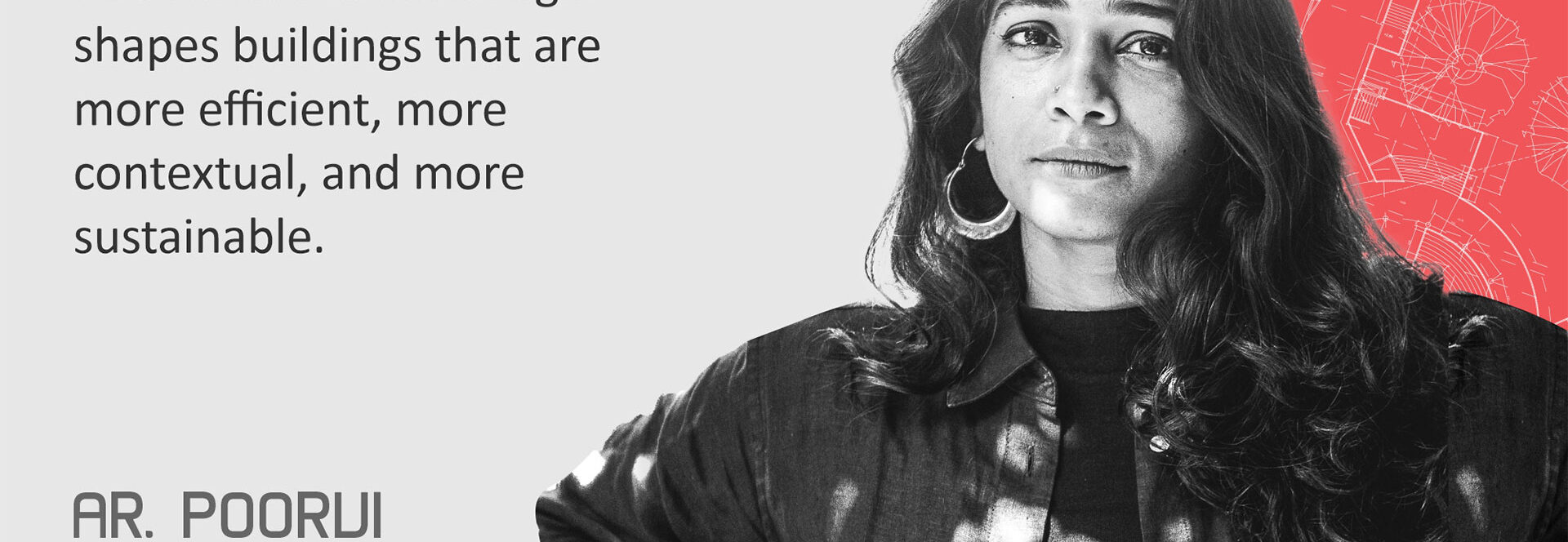
A careful balance between natural and artificial light shapes buildings that are more efficient, more contextual, and more sustainable.
Can you describe the interaction between natural light and artificial light in building envelopes?
Windows, roof openings, and atriums are the most common ways that daylight enters buildings. The combination of daylight and artificial light is fascinating, especially when daylight suddenly floods the space. Two examples perfectly highlight this duality. The extension of the Städel Museum in Frankfurt am Main fully embraces daylight. We collaborated with the architects to construct 95 circular skylights, ranging in diameter from 1.5 to 2.7 m, that pierced the gently arched ceiling of an underground exhibition hall. These skylights include movable horizontal screens that adjust the amount and quality of light based on the artworks’ sensitivity. In contrast, in the German Ivory Museum in Erbach, we used deep, black-painted interiors to block daylight, leaving only carefully concentrated accents on display artefacts.
In both cases, materiality determines how daylight is perceived—whether as an immersive glow or a dramatic spotlight.
How can daylight and artificial light work in cohesion to achieve maximum energy efficiency?
A famous example is the State Parliament of Baden-Württemberg, designed by Staab Architekten. The goal was to bring daylight deep into the structure while maintaining its dignified glass-and-bronze facade. Twelve large and thirty-six smaller circular skylights were erected flush with the roof, directing light through reflecting plastic tubes and cones to a translucent satanised ceiling. These structures diffuse and sculpt light, creating bright volumes with vitality and depth on the ceiling. The daylight system produces illuminance levels ranging from 150 lx on cloudy days to more than 800 lx on sunny days.

At night, LED illumination with customisable colour temperatures (2,700–6,500 K) seamlessly takes over. Linear LED profiles set radially around the daylight cones simulate daylight dispersion, guaranteeing consistency and balance. The combination of natural and artificial light creates an energy-efficient system and a lyrical spatial experience.
How much does the urban context influence daylight in your projects – and how do you respond to this?
Daylighting design should always start with geography and context. A skyscraper in Mumbai behaves somewhat differently from one in Berlin or Seoul. Before suggesting a daylighting approach, we consider several key parameters, such as urban density, direction, ambient light colour, and seasonal solar angles.
At the Museum for the Ahrenshoop Artists’ Colony, for example, we installed longitudinal horizontal skylights with prisms to create a gentle, shadow-free dispersion of daylight. The same apertures function as channels for artificial illumination, ensuring visual continuity. We arrived at the most balanced and harmonic solution after doing many design studies. The roof structure incorporates elements of local and regional architecture, strengthening the project’s contextual response.
How can the building envelope (façade) be influenced to avoid light pollution?
Building envelopes are more than just thermal barriers; they are optical instruments that control how daylight enters and interacts with the interior. Thoughtful daylighting improves both sustainability and human well-being, reducing energy demand while boosting occupant mood and productivity.
The masters—Le Corbusier, Louis Kahn, Peter Zumthor, B.V. Doshi, and Geoffrey Bawa—all recognised that natural light animates architecture. Achieving this balance requires careful assessment of daylight parameters, adequate shading, and a planned blend of north- and south-facing light based on programmatic requirements. When used properly, daylight becomes a sustainable design tool that saves energy, decreases glare and pollution, and improves the very essence of architecture.
For more details, visit: https://www.lichtkunstlicht.com/