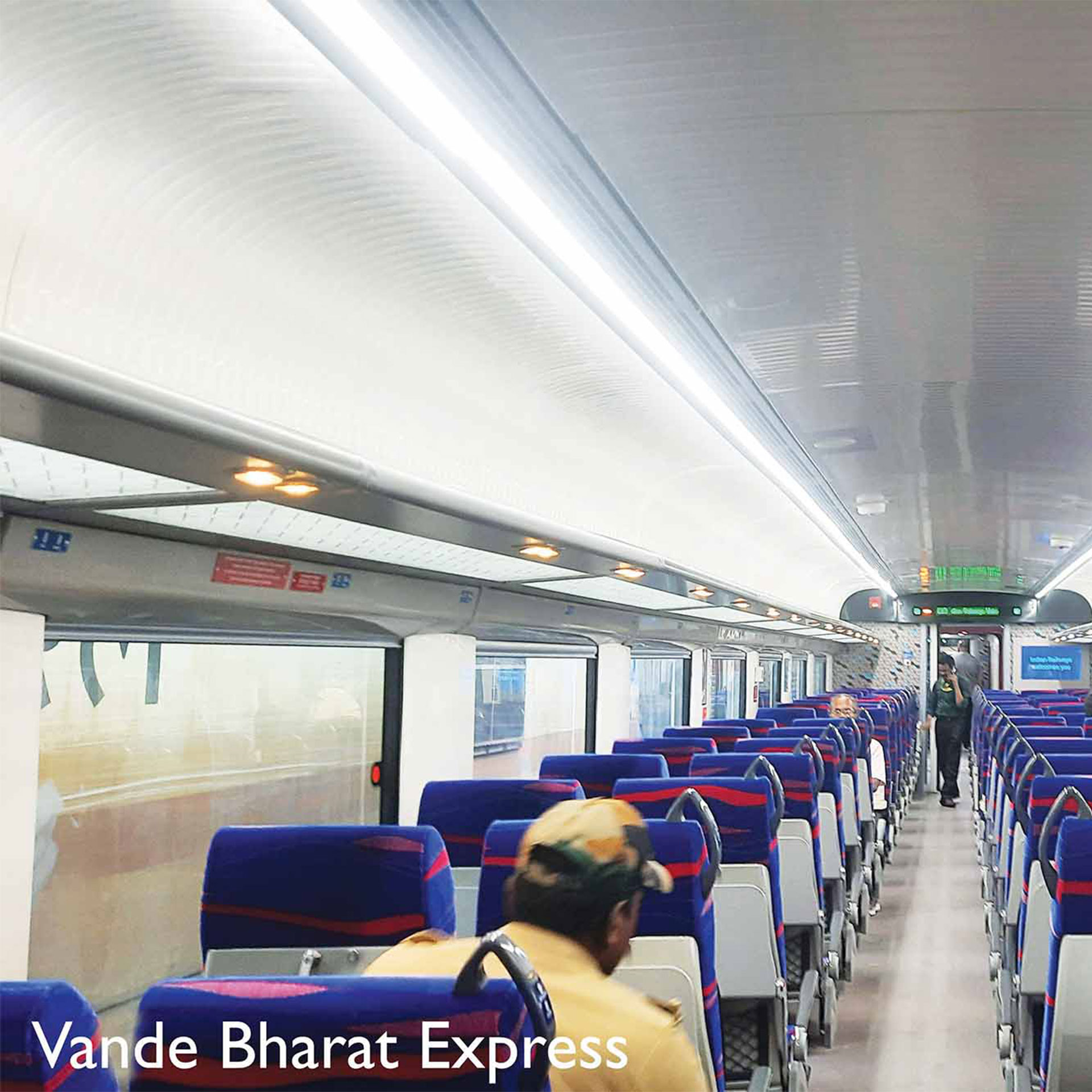
K-Lite is illuminating Indian metros and railways
0 Comments
Indian Railways is the fourth-largest railway network worldwide, with a total track length of 1,09,748 km, spanning...


Indian Railways is the fourth-largest railway network worldwide, with a total track length of 1,09,748 km, spanning...
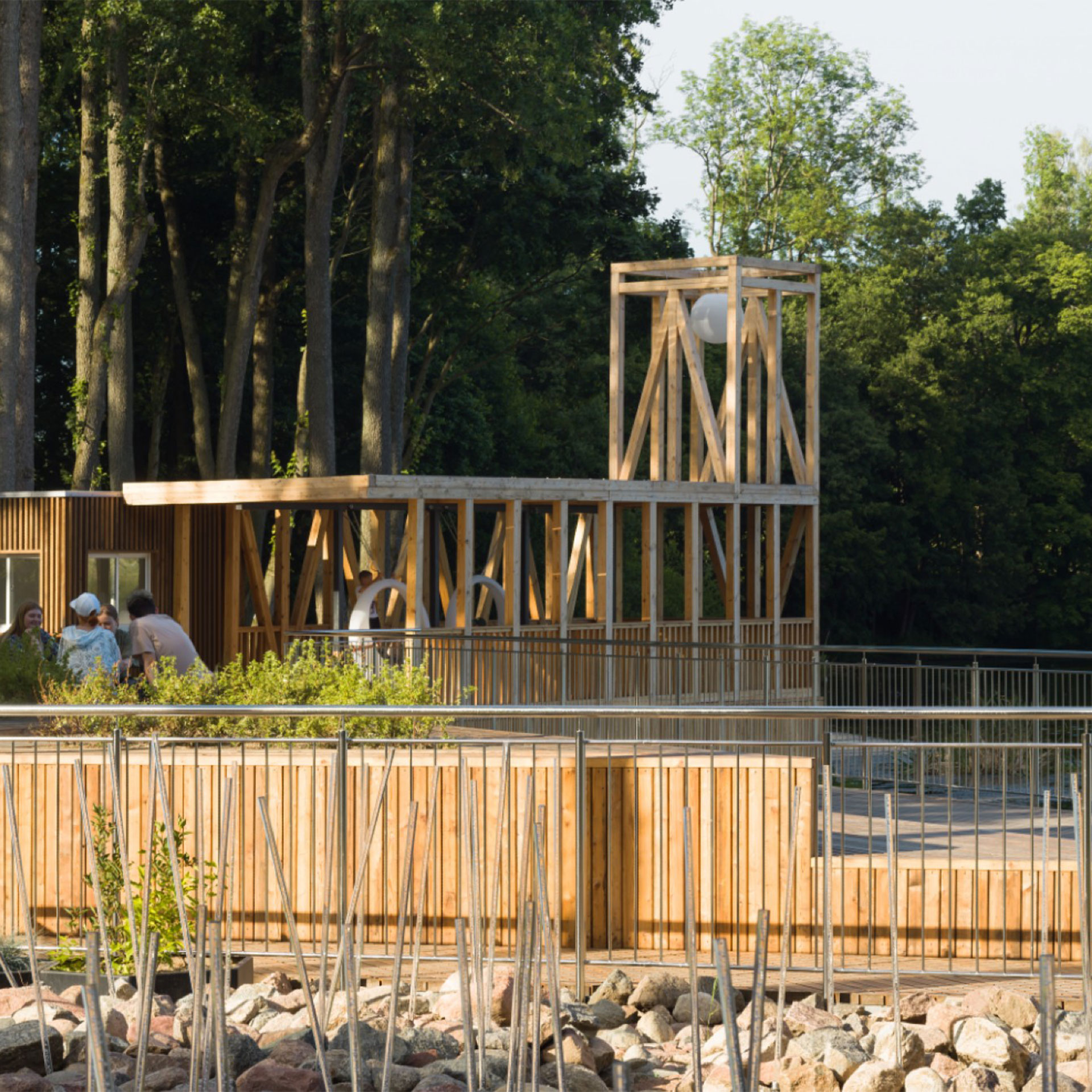
Guryevsk Light Park in Kaliningrad blends immersive light displays...
Airfield Ground Lighting (AGL) system calls for a holistic approach...
Harshita Shetty of Nulty analyses the nuances and challenges of façade lighting, highlighting how it is important to balance aesthetics and function, prioritising energy efficiency. She also highlights how façade cleaning is often overlooked in the context of building maintenance. Façade lighting is a complex art form that has evolved beyond the days of providing a money-shot vision to distinguish a structure from the metropolis. The building’s purpose is the initial point for any high-rise façade concept, as it influences everything from the architecture, materials, and character of the structure to the lighting. When a building is primarily glazed, such as a hotel or residential complex, the challenge is integrating light fixtures into a glass façade. However, flooding the façade with light might produce undesired light bleed into the rooms or homes, which calls for working to reduce this by investigating other solutions, such as incorporating the light fittings into the façade mullions. Another element to consider is the building’s location. A high-rise building in a prominent city location necessitates a comprehensive lighting solution that celebrates the entire structure. Illuminating towering structures in densely populated areas can be challenging, as sightlines are often constrained due to people’s tendency to interact closely with the building. To reduce energy usage, lighting the crown and lower floors can be an option, leaving the middle section relatively dark. These buildings are frequently connected to the public domain, which exacerbates the challenge of creating a lighting backdrop that complements their surroundings. Layers of light can be used to highlight the building’s individuality while directing visitors to warm, welcoming entry points. Nulty India_ACE While the “why” and “where” determine the façade lighting response, the “how” is often missing, especially in terms of how the lighting operates when the high-rise is inspected and maintained. The incorporation of the Building Maintenance Unit (BMU), a permanent system for façade cleaning and inspection, is an often-overlooked feature. Mapping the BMU’s paths and the reach of its cantilevered arm is critical, as luminaires must be accessible for cleaning while remaining out of the way of the BMU. Recessed luminaires are an effective option in these areas, providing a clean, unobstructed finish that allows the BMU to function correctly. Equally crucial is the compatibility of these luminaires with the building’s climate. Tall buildings in tropical locations, such as India, are subjected to dust storms during the pre-monsoon months and severe, continuous rainfall throughout the rainy season. Repeated exposure to dust can damage a luminaire’s optical system and cause undesirable fluctuations in colour temperature. Fittings should be installed in a location that is easily accessible, well-ventilated, and protected to facilitate maintenance or replacement. Rainwater can also collect on a light fitting if sufficient drainage is not provided, potentially causing corrosion or electrical issues. To avoid moisture retention, specify IP-rated fixtures with weep holes. Illuminating a tall building is a massive undertaking. It is essential to comprehend every aspect of light, encompassing geographical context, architectural intent, structural engineering, luminaire arrangement, and fixture compatibility. Cross-disciplinary teamwork is the only way to...
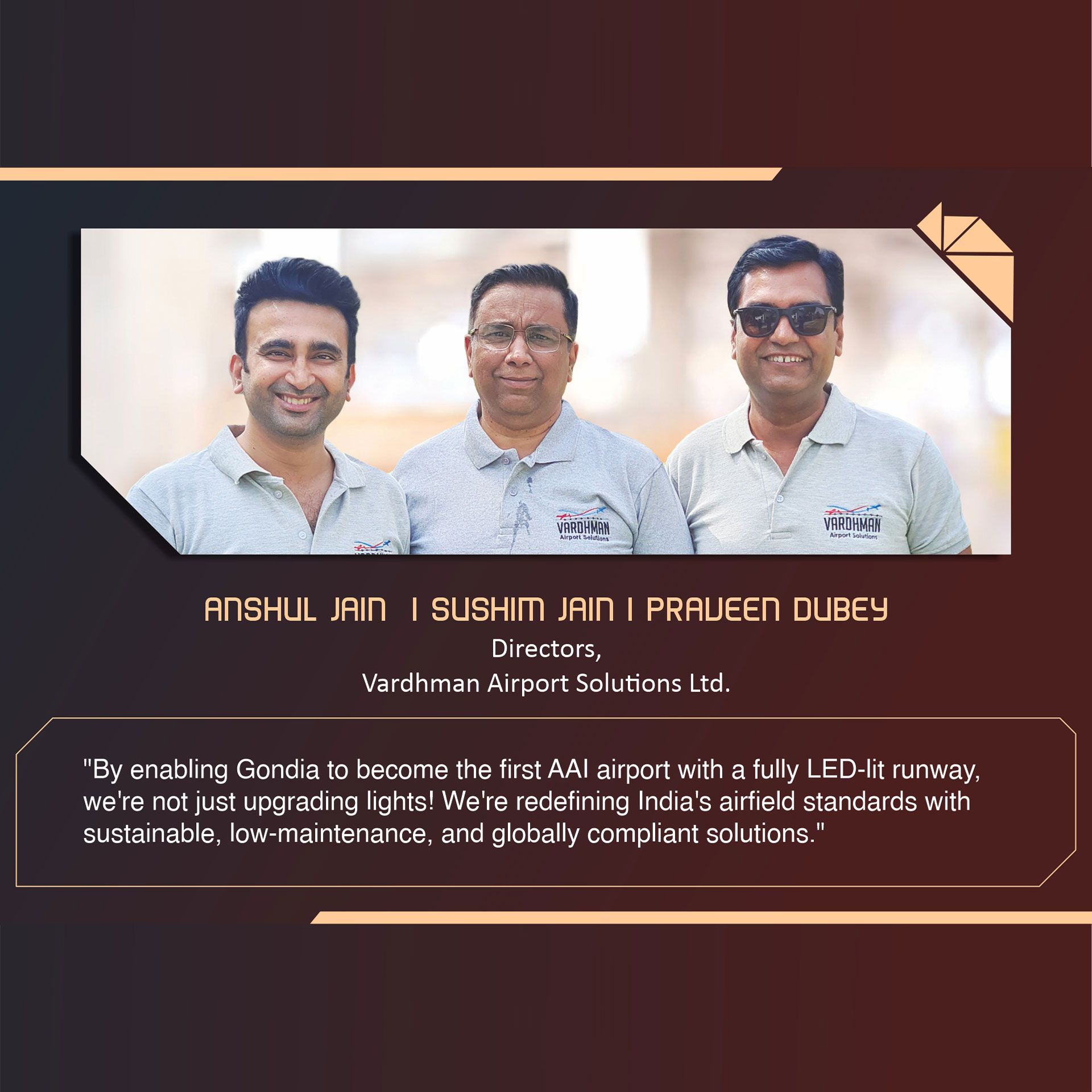
This story explores how Vardhman Airport Solutions, a Make-in-India pioneer in airfield ground lighting (AGL) systems, uses indigenous technology to drive airfield modernisation with LED runway lighting. Gondia Airport in Maharashtra is the first of 137 Airports Authority of India (AAI) airports to have a fully LED-lit runway, marking a significant step forward in operational excellence, energy efficiency, and regulatory compliance. A strategic leap towards LED conversionBy CAR/ICAO Annexe 14 guidelines and India’s environmental objectives, AAI transitioned from traditional halogen-based runway lighting to LED systems after realising the growing need for sustainable aviation infrastructure. Gondia Airport was chosen as a pilot for this initiative, and Vardhman Airport Solutions was tasked with delivering and commissioning an end-to-end LED airfield lighting system. Comprehensive LED installationVardhman deployed a comprehensive range of regionally manufactured LED lighting products, including elevated LED runway edge lights, threshold and end lights, approach lights, taxiway edge lights, and ultra-slim LED guidance sign boards. These systems were meticulously designed to meet the stringent standards of CAR/ICAO Annexe 14, resulting in optimal photometric performance and colour candela output. Following installation, a complete photometric test was performed to validate compliance, confirming that the lighting infrastructure met ICAO international airport guidelines. Operational and environmental impactThe transition from halogen to LED technology at Gondia Airport has brought several benefits. Energy consumption has dropped by an impressive 70 percent, significantly cutting operational costs, as LEDs use far less power than halogen lights. Additionally, LED fixtures boast an extended lifespan of over 50,000 hours, largely outlasting traditional halogen lamps that require replacement roughly every 1,500 hours. Safety has improved with fewer maintenance activities needed on active runways, reducing human exposure to high-risk areas. Moreover, the system’s photometric testing and design comply with CAR/ICAO Annexe 14 regulations, ensuring ongoing adherence to aviation safety standards. Fostering Atmanirbhar Bharat in aviationLED adoption at Gondia Airport signifies a larger trend towards independence in vital airport infrastructure, in addition to the technical and operational advantages. Vardhman manufactured all the AGL systems and signboards deployed as part of the Make in India initiative, demonstrating India’s ability to deliver world-class airside technology solutions domestically. The initiative facilitates airports’ achieving world-class technology and faster ROI. This cost reduction can translate to lower parking charges for airlines and affordable air travel. Since LED systems require less maintenance, airports can reduce closure windows and maximise operational uptime. The initiative also reduces safety concerns, as engineers need not visit active runways frequently to replace lights. A model of replicationSince Gondia’s success, several other Indian airports are investigating comparable LED conversion projects. The project demonstrates the pioneering impact that indigenous, intelligent airfield solutions can have on India’s aviation ecosystem. For more details, visit: https://www.vardhmanairports.com/ ...