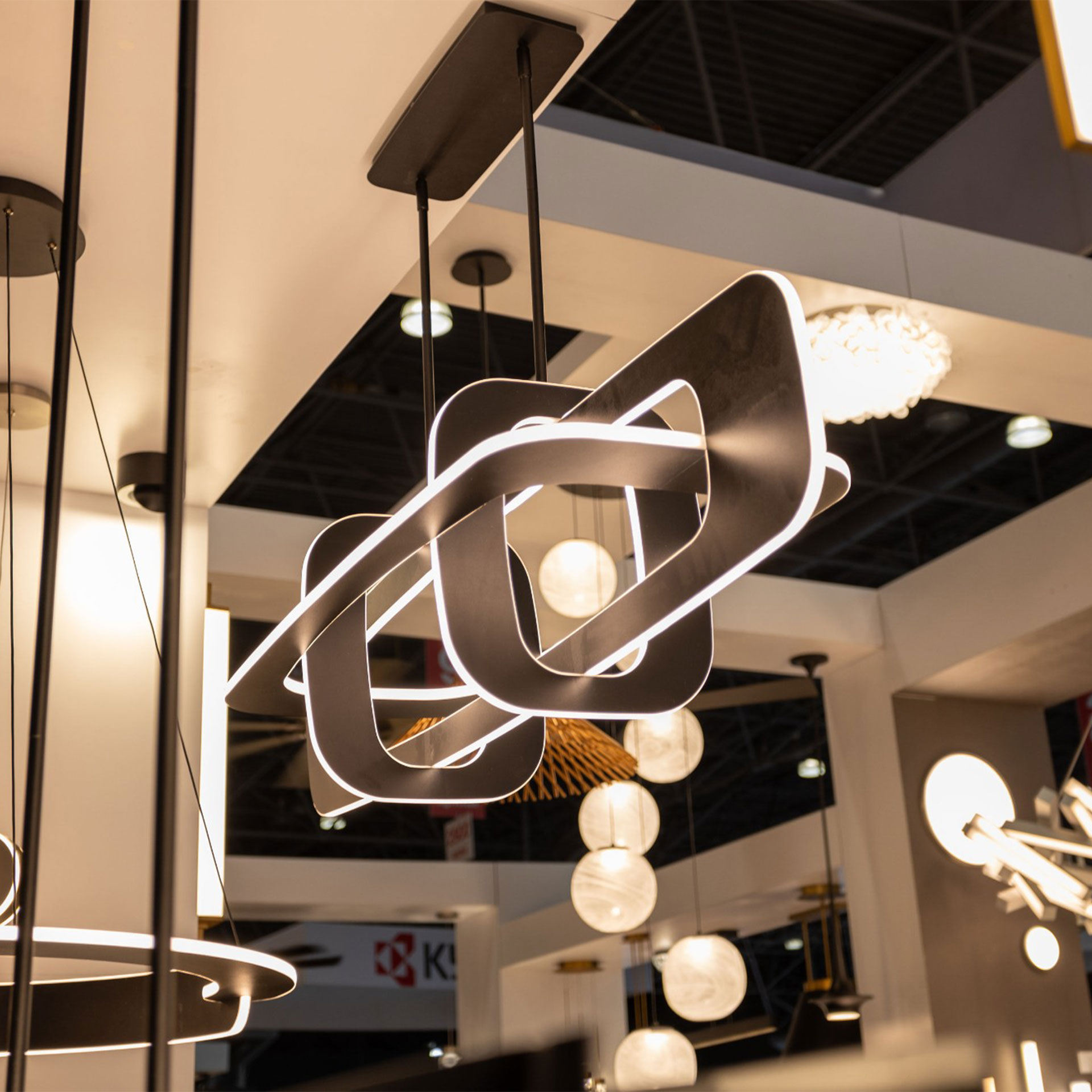
Lighting, controls, and smart building tech converge at New North American Show
0 Comments
A new era begins for North America’s lighting ...


A new era begins for North America’s lighting ...
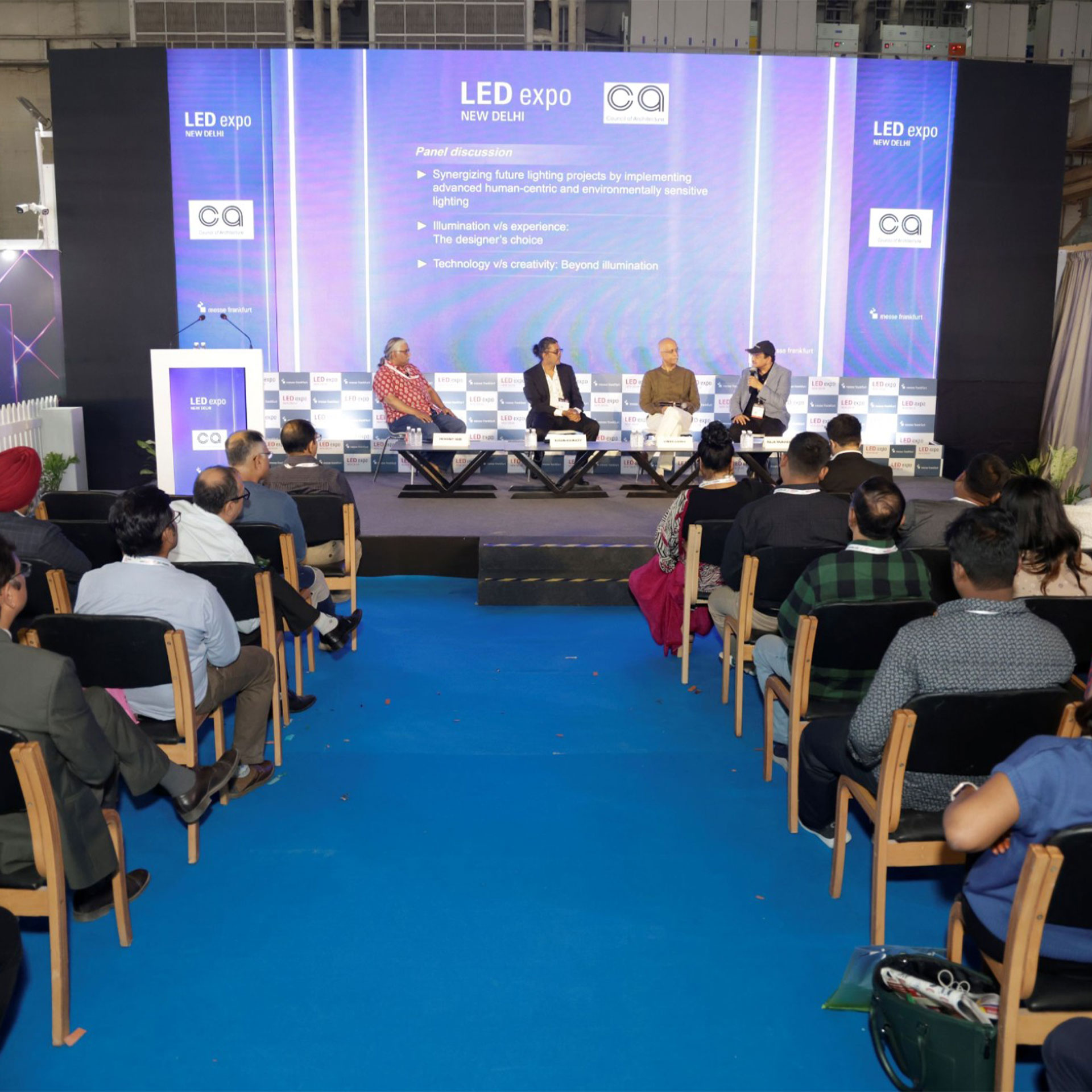
As India’s premier platform for LED and smart lighting, LED Expo New Delhi...
Fenesta has introduced Constella, a first...
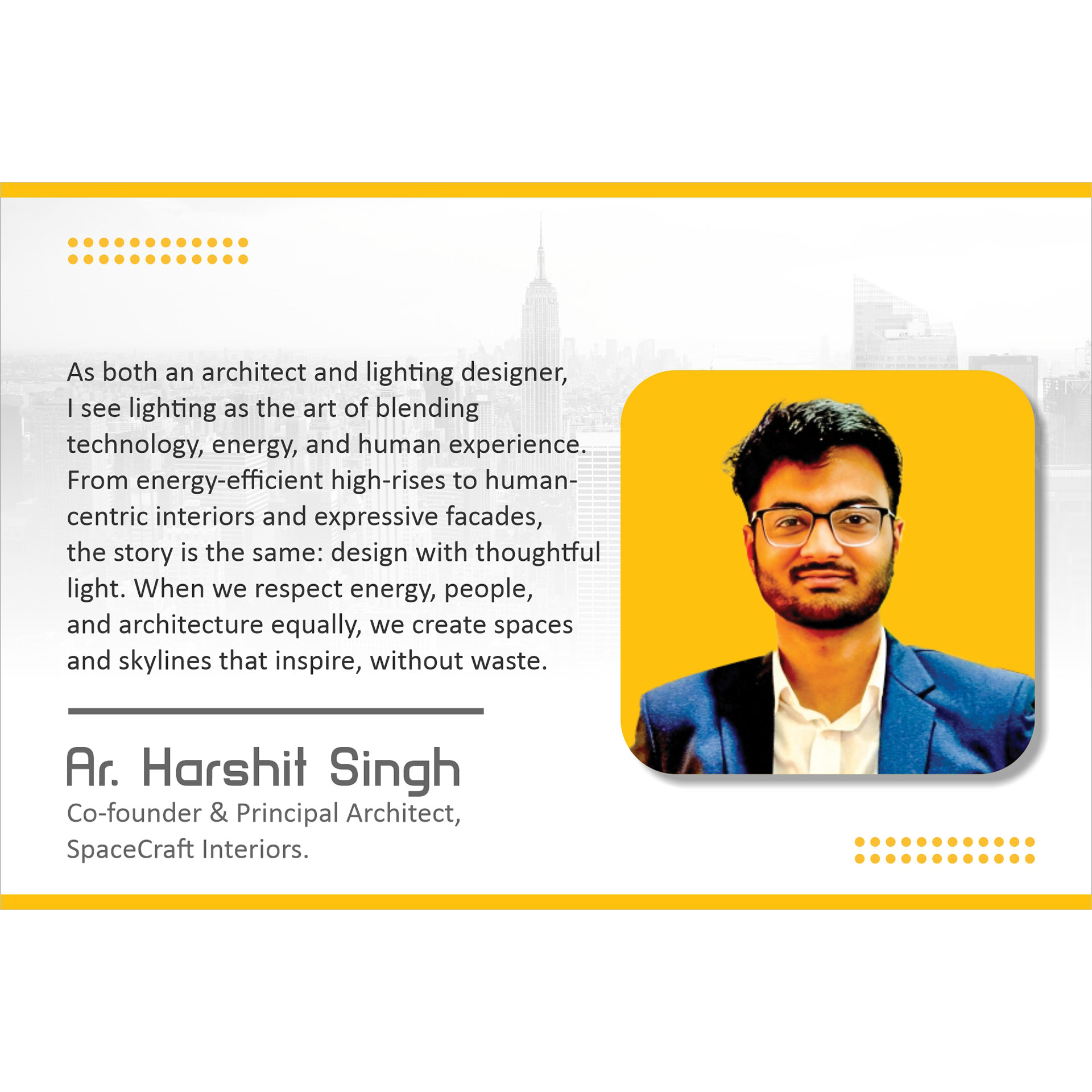
In this interaction, Ar. Harshit walks us through his philosophy...
At Wipro Lighting, innovation is not just about technology...
Dynamic lighting is developing as an...
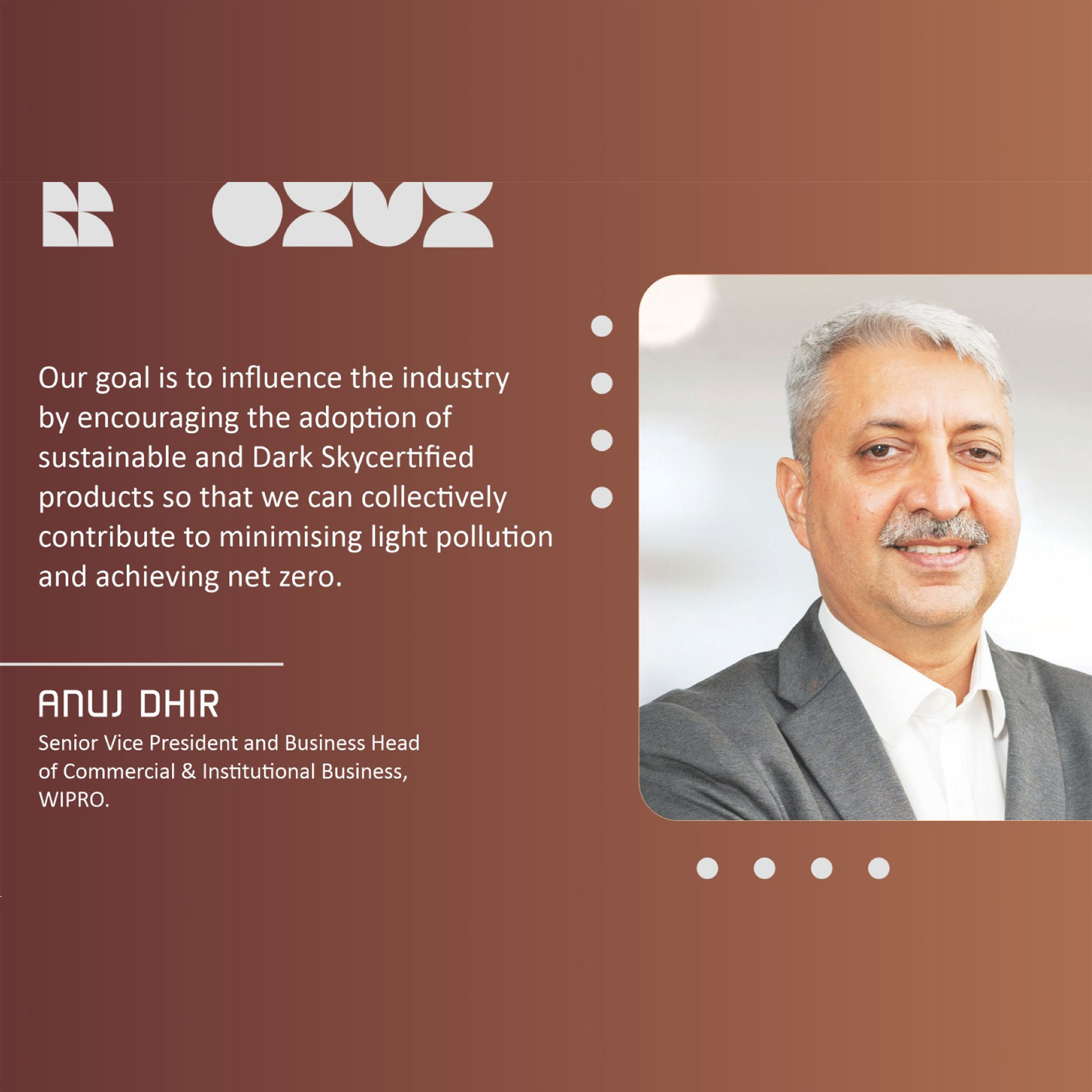
Our goal is to influence the industry by encouraging the adoption of sustainable and Dark Sky-certified products so that we can collectively contribute to minimising light pollution and achieving net zero.” In this discussion, Anuj Dhir walks us through Wipro’s smart lighting solutions for the Indian market and shares their tech-driven, solar-powered solutions that aid in achieving net zero. What factors drive the demand and growth for smart lighting solutions in India? Smart lighting includes home lighting solutions and professional lighting solutions. With the Indian market becoming increasingly global and tech-inspired, especially post-COVID, professional lighting solutions have shifted towards improving occupant well-being inside buildings. Key factors driving this shift include ESG considerations, which focus on energy conservation and social impact, along with certifications like the WELL Building Standard and IGBC Green Building Certification, especially for offices and factories. Smart lighting solutions help in energy savings and data collection, which can be analysed for decision-making on space optimisation. LEDs, being digital light sources, allow users to control lighting, aid in energy savings, provide better lighting control, and enable preventive maintenance. Additionally, government initiatives towards smart cities have significantly contributed to the growth of smart lighting solutions in outdoor applications, enhancing urban infrastructure with energy-efficient and connected lighting systems. How are IoT and AI transforming the Indian lighting industry in particular? What are your technology-based product offerings?LEDs are tech-driven, which allows them to play a larger role in IoT. IoT allows for lighting control by allowing on-off action, dimming of light, and change in colour and colour temperature. IoT plays a crucial role in energy savings and monitoring energy cost, space utilisation, and impact on the wellness and productivity of occupants. These may be achieved by wired, wireless, and Power over Ethernet (PoE) solutions. WIPRO_ACEUpdate We offer PoE solutions through CAT6 cables instead of normal electrical wires. This unified infrastructure controls lighting and provides analytics on all the collected data. We also provide wireless systems that use Bluetooth technology to achieve similar outcomes. Additionally, we provide human-centric lighting solutions through our inSync™ technology, which mimics sunlight inside an office, aligning with people’s circadian rhythm and positively impacting occupant well-being. How are your products tailored to minimise light pollution?Light pollution is an important issue globally, and experts are trying to identify dark zones, which is a challenge in cities. Artificial light is a major contributor to light pollution, and we constantly try to address this. We have a portfolio of outdoor application products made in India and Dark Sky-certified. We design lighting to minimise the contribution of light in the upward direction. Additionally, our LEDs in outdoor lights are designed with minimal impact on nocturnal life. These specialised LEDs reduce the impact of artificial light and, eventually, pollution. By incorporating visors into light fixtures, we ensure light is directed only where needed, preventing unwanted light spills. Can you walk us through your renewable energy-powered lighting solutions?Our range of solar-powered LED streetlights, SolaRISE™, has built-in solar panels, sensors, and batteries. They charge during the day and operate at night, providing consistent illumination. Efficiency is optimised through sensors—lights turn on at 100 percent when movement is detected and dim down automatically when there is no movement,...
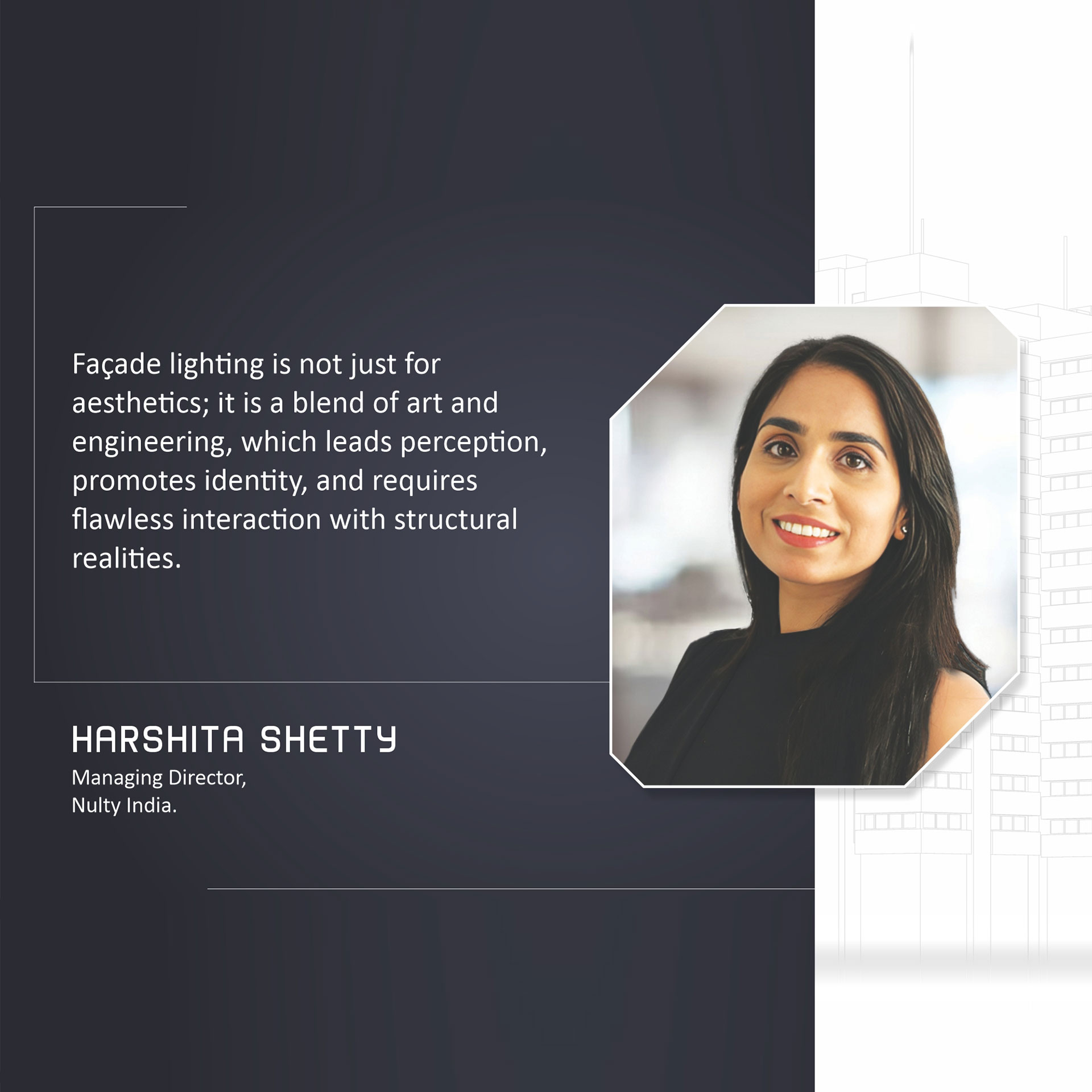
Harshita Shetty of Nulty analyses the nuances and challenges of façade lighting, highlighting how it is important to balance aesthetics and function, prioritising energy efficiency. She also highlights how façade cleaning is often overlooked in the context of building maintenance. Façade lighting is a complex art form that has evolved beyond the days of providing a money-shot vision to distinguish a structure from the metropolis. The building’s purpose is the initial point for any high-rise façade concept, as it influences everything from the architecture, materials, and character of the structure to the lighting. When a building is primarily glazed, such as a hotel or residential complex, the challenge is integrating light fixtures into a glass façade. However, flooding the façade with light might produce undesired light bleed into the rooms or homes, which calls for working to reduce this by investigating other solutions, such as incorporating the light fittings into the façade mullions. Another element to consider is the building’s location. A high-rise building in a prominent city location necessitates a comprehensive lighting solution that celebrates the entire structure. Illuminating towering structures in densely populated areas can be challenging, as sightlines are often constrained due to people’s tendency to interact closely with the building. To reduce energy usage, lighting the crown and lower floors can be an option, leaving the middle section relatively dark. These buildings are frequently connected to the public domain, which exacerbates the challenge of creating a lighting backdrop that complements their surroundings. Layers of light can be used to highlight the building’s individuality while directing visitors to warm, welcoming entry points. Nulty India_ACE While the “why” and “where” determine the façade lighting response, the “how” is often missing, especially in terms of how the lighting operates when the high-rise is inspected and maintained. The incorporation of the Building Maintenance Unit (BMU), a permanent system for façade cleaning and inspection, is an often-overlooked feature. Mapping the BMU’s paths and the reach of its cantilevered arm is critical, as luminaires must be accessible for cleaning while remaining out of the way of the BMU. Recessed luminaires are an effective option in these areas, providing a clean, unobstructed finish that allows the BMU to function correctly. Equally crucial is the compatibility of these luminaires with the building’s climate. Tall buildings in tropical locations, such as India, are subjected to dust storms during the pre-monsoon months and severe, continuous rainfall throughout the rainy season. Repeated exposure to dust can damage a luminaire’s optical system and cause undesirable fluctuations in colour temperature. Fittings should be installed in a location that is easily accessible, well-ventilated, and protected to facilitate maintenance or replacement. Rainwater can also collect on a light fitting if sufficient drainage is not provided, potentially causing corrosion or electrical issues. To avoid moisture retention, specify IP-rated fixtures with weep holes. Illuminating a tall building is a massive undertaking. It is essential to comprehend every aspect of light, encompassing geographical context, architectural intent, structural engineering, luminaire arrangement, and fixture compatibility. Cross-disciplinary teamwork is the only way to...
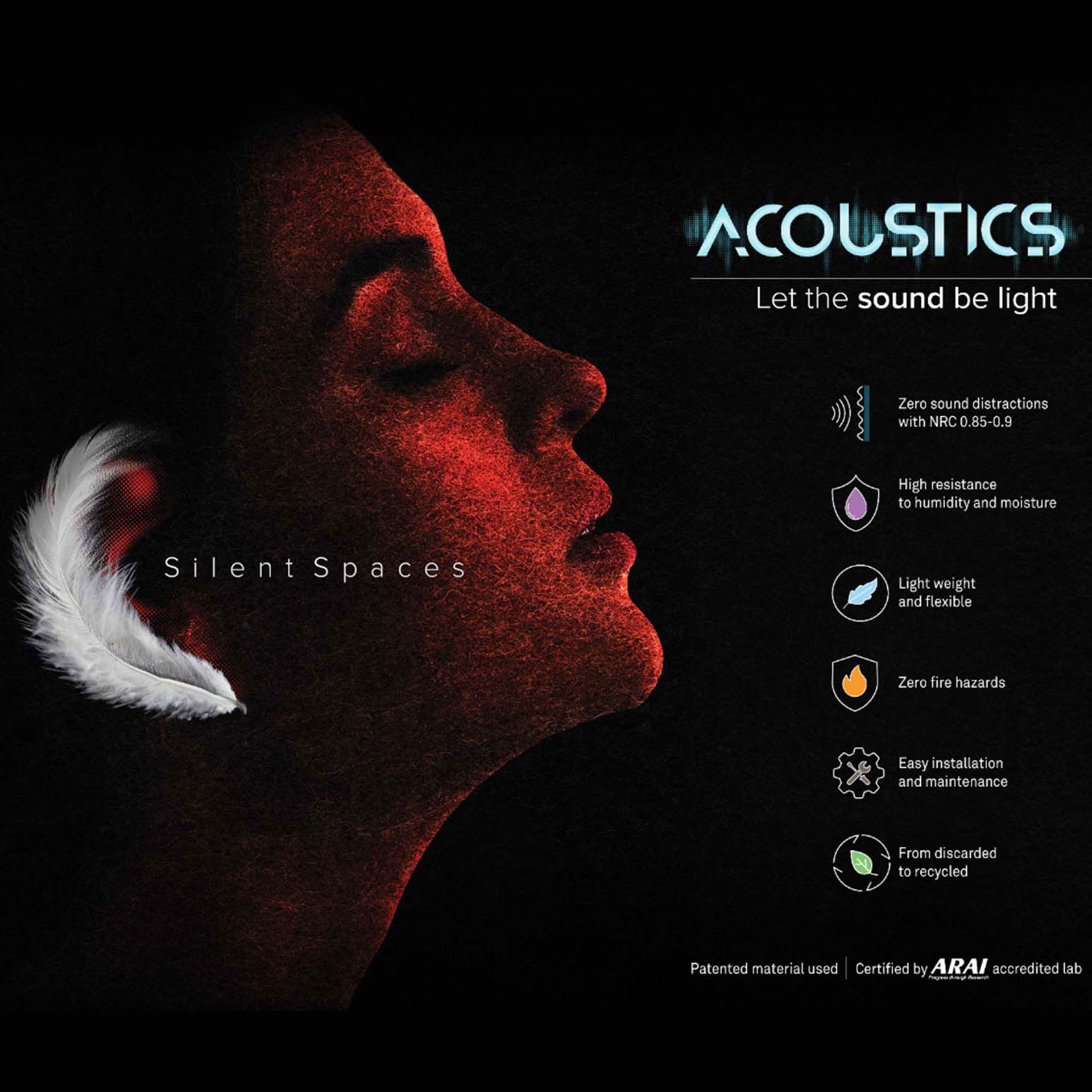
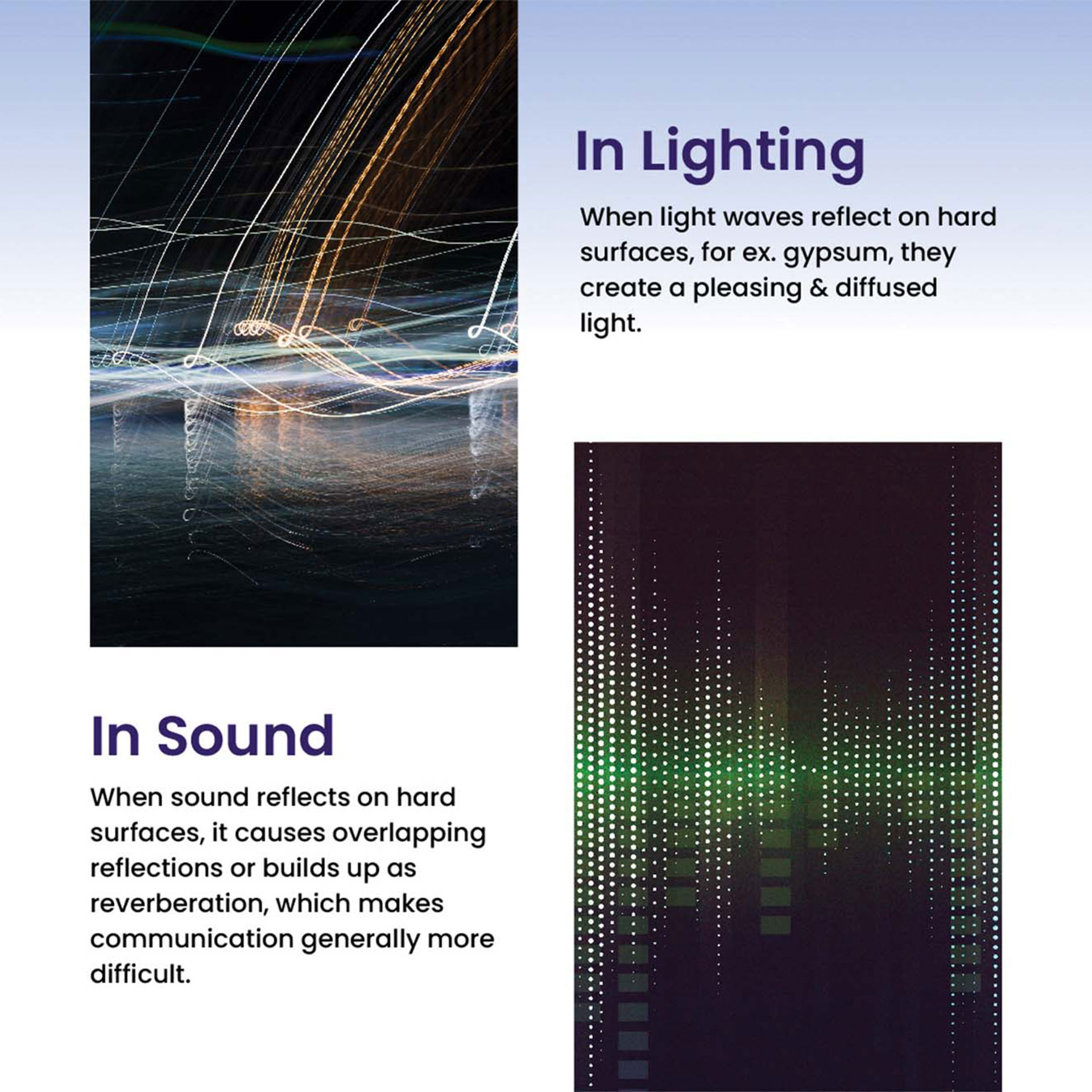
Sound meets light, and design meets comfort! In the ever-evolving landscape of workplace design, where collaboration is constant and open plans dominate, one element often overlooked is sound. At Wipro Lighting, we asked a simple but powerful question: What if light could do more? What if it could illuminate, inspire, and silence the noise—all at once? That is how our Acoustic Lighting range was born—lighting solutions designed not just for the eyes but also for the ears and mind. By merging high-performance illumination with acoustic comfort, we have created a portfolio that truly embodies Innovation for Human Spaces. From open-plan offices and brainstorming zones to cafes and huddle areas, our acoustic luminaires, such as Tessel, Trine, Doughnut, Floral, and Amuze, bring a multi-sensory balance to the workspace. These products are crafted using sound-absorbing materials that reduce reverberation, enhance speech clarity, and support mental focus—all while delivering premium lighting performance. But it is not just about performance! It is about experience-driven design. Each product in our acoustic range is shaped with form and texture that adds visual warmth, defines zones without walls, and complements modern architecture. The result? Spaces that are aesthetically elevated, functionally smart, and deeply human-first. In a recent deployment across a large IT workspace, our acoustic lighting solution reduced ambient noise levels by 30 percent, improved user satisfaction, and became a visual anchor in collaborative areas. This is what happens when light stops being passive and starts participating in how we work, feel, and connect. At Wipro Lighting, we believe that the future of lighting lies in multi-dimensional purposes. Our acoustic range is a reflection of that belief—helping organisations co-create smarter, quieter, and more mindful spaces for people to thrive. Because innovation for human spaces isn’t just about what you see; it’s also about what you don’t hear! To know more about Wipro’s Dark Sky offerings,Call: 1800-425-1969E-mail: helpdesk.lighting@wipro.comVisit: https://www.wiprolighting.com/ ...
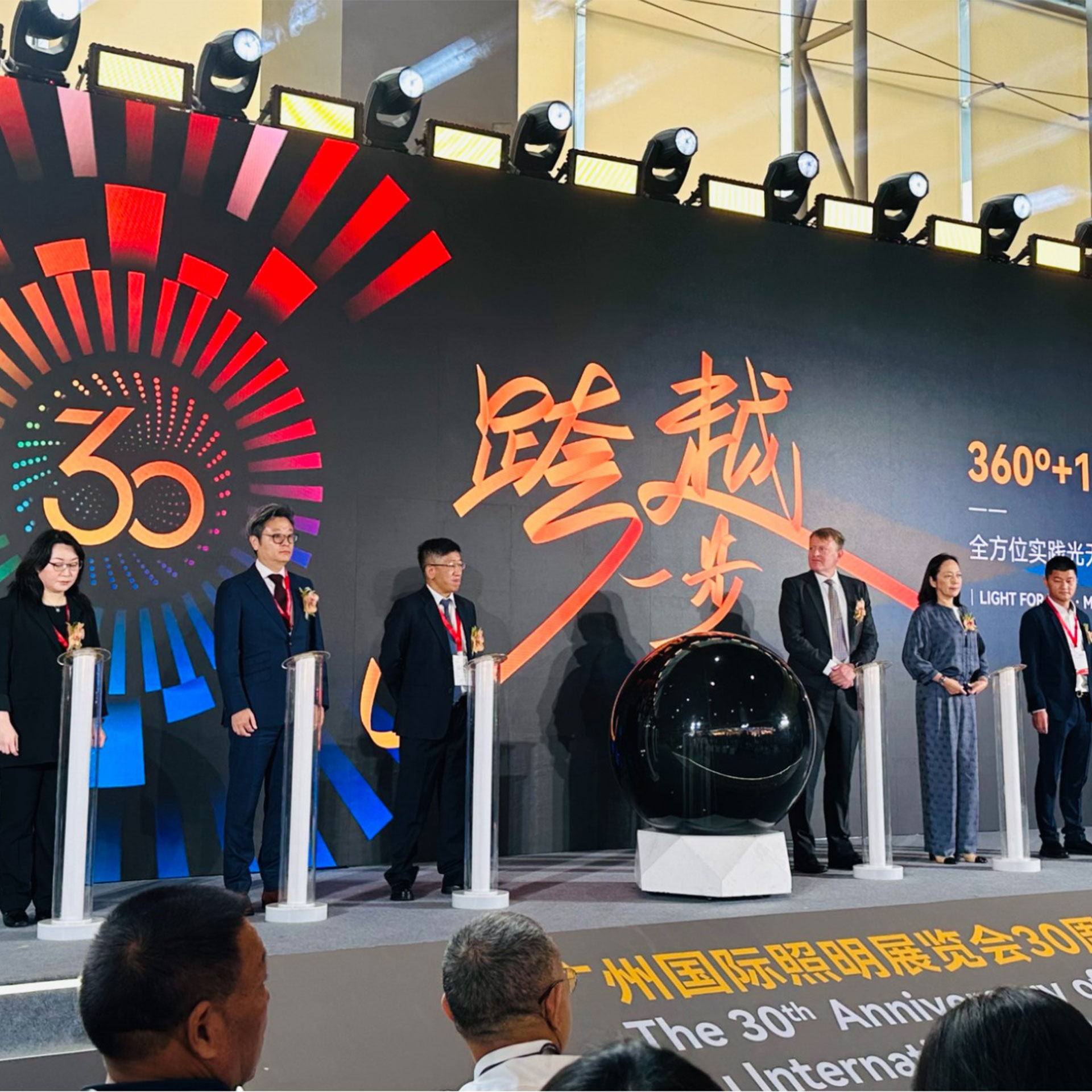
The Guangzhou International Lighting Exhibition (GILE) began at the China Import and Export Fair Complex in Guangzhou, commemorating its 30th anniversary. GILE has launched the “illuminnovation lab” this year, a series of events geared at boosting industrial collaboration and pushing technological innovations. Unlike traditional exhibitions, GILE has gone beyond its primary event from June 9 to 12 with year-round events involving focus group talks, research forums, technical lectures, and networking in key Chinese cities. With 3,188 exhibitors from around the globe demonstrating state-of-the-art lighting solutions, this year’s exhibition covers 250,000 square metres over Zones A and B. The event, held in conjunction with Guangzhou Electrical Building Technology (GEBT), is all set to provide a complete platform for sourcing products, exchanging expertise, and analysing the newest market trends, solidifying its position as Asia’s top lighting industry event. After the major show, GILE will hold events across the country to integrate innovative lighting solutions into real-world applications. An important feature of GILE 2025 is the opening of the “illuminnovation lab”, a revolutionary project that is to take place outside of the main exhibition dates of June 9–12. This initiative will foster a year-round series of forums, focus groups, technical lectures, and business matchmaking events in key locations around China. These events are intended to promote discourse, inspire innovation, and speed up the adoption of innovative lighting technology. GILE continues to push the industry forward by developing a forward-thinking and collaborative communication platform. “Light Asia” Annual SeriesGILE has collaborated with Alighting to launch the “Light Asia” series, which includes pre-show promotions, entire exhibition programmes, and post-show activities. The programme aims to stimulate industry collaboration and spread novel lighting designs while meeting the market’s evolving needs. Introducing the “illuminnovation lab”The “illuminnovation lab” is a groundbreaking program that investigates the dynamic interplay between light, space, and people. It is intended to function as a collaborative hub, bringing together a wide range of stakeholders such as designers, architects, end users, and industry leaders. The primary goals are to improve lighting quality and energy efficiency, create consumer-focused policies, and facilitate the seamless integration of lighting technologies into everyday life. It seeks to rethink industry norms and uncover new lighting potential by encouraging cross-sector collaboration and compiling a library of cutting-edge research. GILE 2025_ACE The “illuminnovation lab” consists of six specialised labs, each addressing specific lighting difficulties and trends: City LabThe City Lab examines how lighting transforms urban settings, focusing on smart cities, urban revitalisation, and sustainable public spaces. It includes technologies such as renewable energy-powered smart streetlights with solar panels, energy storage, and EV charging, as well as AI-powered road lighting that adjusts to traffic and pedestrians and vehicle-road collaboration systems for increased safety and efficiency. Tourism LabThis lab combines cultural aspects and current technology to improve tourism experiences. Immersive illumination, such as AR/VR environments, brings historical sites to life, whereas interactive systems engage visitors more intimately. These designs also create social media-friendly environments, enticing new audiences through shareable experiences. Hotel LabThe Hotel Lab demonstrates how lighting can transform hospitality areas into customised, opulent, and health-conscious...
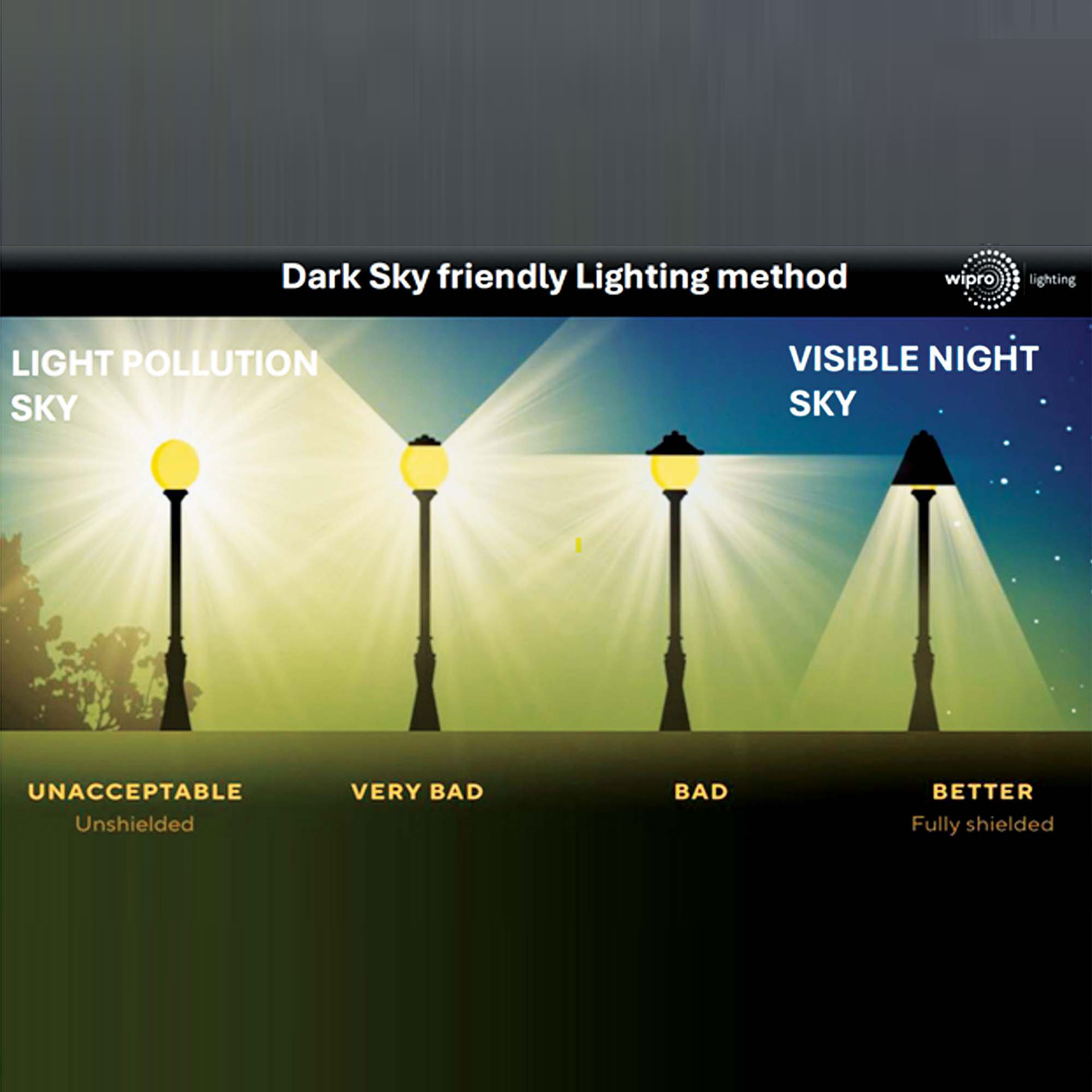
In the rapidly urbanising world, light is often celebrated as a symbol of progress, safety, and innovation. But too much of it—especially the wrong kind—has cast a shadow over our skies, ecosystems, and health. In response, a global movement has emerged to curb light pollution and reclaim the natural beauty of the night. At the forefront of this shift in India stands a pioneering initiative by Wipro Lighting, the Dark Sky-compliant lighting solutions. The Dark Sky problemModern cities are increasingly losing sight of stars. Excessive artificial lighting—especially from poorly designed streetlights and floodlights—contributes to skyglow, drowning out natural darkness. This disrupts human circadian rhythms, affects nocturnal wildlife, and wastes vast energy. A responsible visionWipro Lighting has taken a bold step by aligning with the International Dark-Sky Association (IDA) principles. Their Dark Sky offerings are meticulously designed to: Minimise upward light spill Use shielded and directional luminaires Deploy warmer colour temperatures Optimise energy consumption through smart controls In essence, Wipro does not offer just lights—it offers ethically engineered tools that blend performance with planetary stewardship. Wipro Technology meets ecologyWipro’s Dark Sky-compliant luminaires—whether for urban boulevards, parks, or campuses—demonstrate how cutting-edge technology can coexist with environmental consciousness. With smart sensors, dimming capabilities, and integrated IoT platforms, these systems adapt to real-time needs, reducing glare and power usage without compromising safety. This initiative reflects a holistic design philosophy, where aesthetics, functionality, and sustainability are not competing priorities but interwoven goals. Leading by lightBy embracing Dark Sky principles, Wipro is not just illuminating spaces but shaping environmental consciousness. It is a call to all stakeholders in the built environment: lighting can—and must—do more than banish the dark! It can heal, guide, and inspire. As the world seeks greener alternatives and more thoughtful urbanism, Wipro Lighting’s commitment illuminates the way forward—one responsible beam at a time. To know more about Wipro’s Dark Sky offerings, contactTel.: 1800-425-1969E-mail: helpdesk.lighting@wipro.comWebsite: https://www.wiprolighting.com/ ...
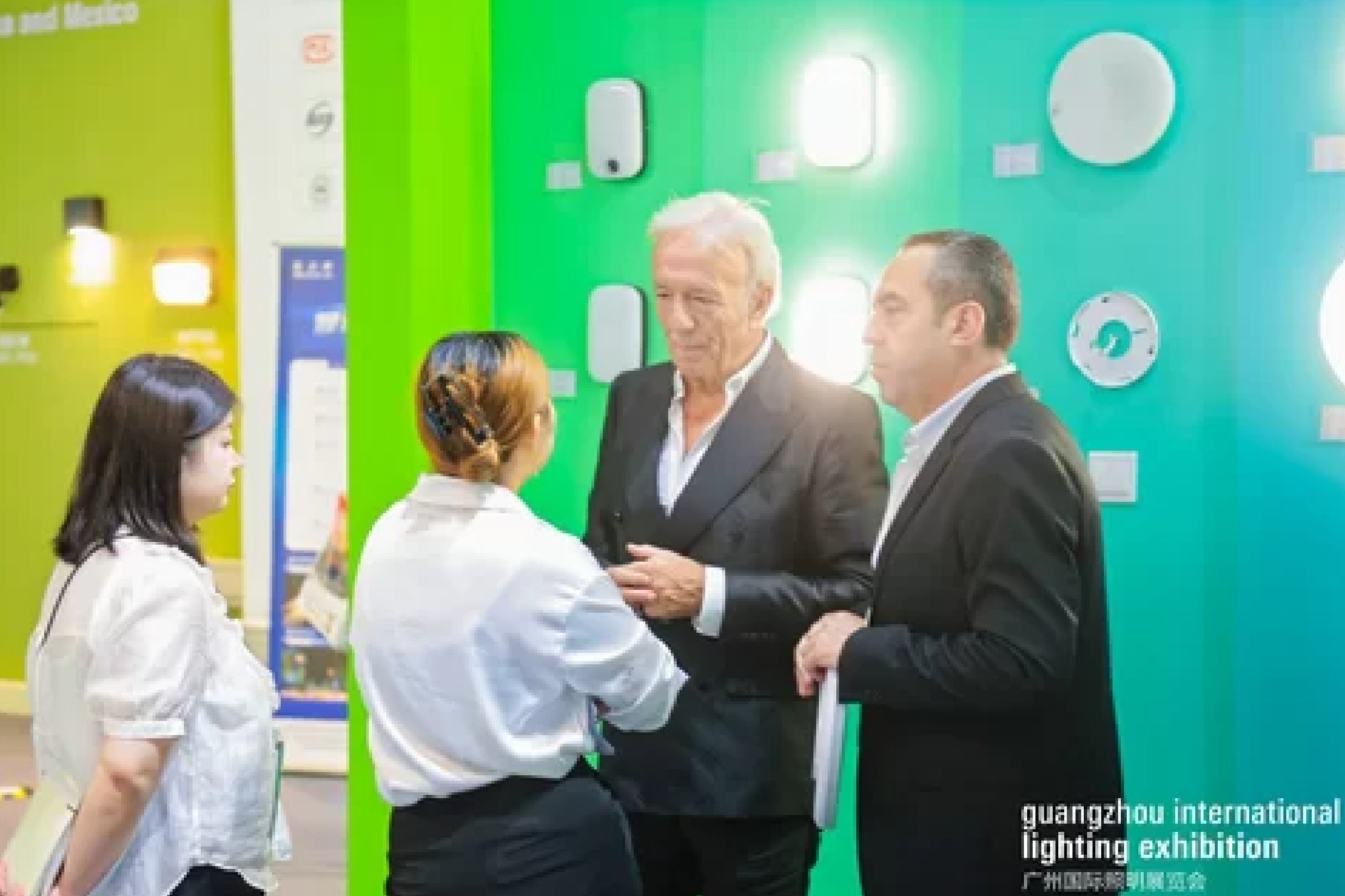
GILE 2025, set for June 9-12, will highlight cutting-edge lighting solutions under the theme “Light for Life”, with 3,188 exhibitors spread across 250,000 sqm. The expo, which is co-located with GEBT, addresses the impact of lighting on lifestyle, health, and technology through over 100 handpicked programmes. From June 9 to 12, GILE 2025, with the theme “Light for Life”, will take place in Areas A and B of the China Import and Export Fair Complex. The expo will run concurrently with Guangzhou Electrical Building Technology (GEBT), encompassing a total area of 250,000 sqm and featuring 3,188 exhibitors displaying the most recent innovations in lighting. This year’s theme is “Light-enhanced Living”, which examines various lighting applications in a variety of industries. Each hall has a specific theme: Hall 6.1 will mirror the show’s theme, “Light for Life”, presenting new lighting applications in everyday life. Hall 8.1 focuses on visual displays in cultural tourism, demonstrating how lighting improves the appeal of this industry. Hall 3.2 investigates advanced applications of light in smart agriculture, while Hall 9.2 focuses on intelligent lighting and health ecosystems, which address the impact of light on human health and related intelligent solutions. Hall 10.1 features the Trendy Living Home Lighting Design Hall and the Luce e Design Aesthetic Design Hall, which set the trends in home lighting design. Additionally, lighting solutions for architectural, road, and landscape lighting, as well as cultural and tourism venues, will be showcased in Halls 1.1 to 5.1 and 7.1. Equipment, materials, lighting accessories, electrical components, chips, packaging, modules, full-spectrum solutions, and power drive technologies will be on display in Halls 1.2 to 4.2 of the exhibition. Halls 9.1, 10.2 to 11.2, 9.3 to 10.3, and 11.1 to 13.1 will showcase breakthroughs in commercial and residential lighting, introducing products and concepts linked to lighting sources, intelligent lighting, and ornamental design. GILE’s extensive and precise exhibition plan seeks to offer an integrated platform for presentation, communication, and collaboration, assisting the lighting sector in reaching a new level of development. GILE 2025_Messe Frankfurt_ACE Launch of “illuminnovation lab”: A new era of light-enhanced livingGILE and Guangzhou Alighting IoT & Technology Co. Ltd. inaugurated the “illuminnovation lab” in April with a “Lifestyle Aesthetics and Trendy Spaces” event in Zhongshan, China, which focused on lighting aesthetics and unique lighting concepts. In May, the second event, “Good House, Good Lighting”, looked at health-focused “lighting formulas” and emotional “lighting values”.GILE will hold more than 100 unique sessions, providing possibilities for the lighting industry to expand and combine resources in trade, design, e-commerce, branding, and worldwide reach. These activities are divided into five primary categories to encourage creativity and collaboration. Design Engineering Channel: “illuminnovation lab”During the event, the “illuminnovation lab” focuses on four sectors: hotels, business spaces, wellness, and residential environments, customising lighting design to each sector’s specific requirements. Here are the main highlights: Hotel LabFocus: Lighting designed to enhance visitor experiences and create unique atmospheres in hotel settings.• On June 9 (Hall 6.1, Booth A01), attend Light Space Symbiosis: Empowering Hotel Design and Envisioning the Future.• On June 10,...