

Not about abundance, but about striking the equilibrium
“We at WMA consider lighting — both natural and artificial — not as separate entities but as complementary forces that can turn energy efficiency, when orchestrated well, into a fine art.”
Light in architecture plays a dual role as an artistic medium and a technical necessity. The interplay determines not only how the space is experienced but also how it performs. In a country as climatically diverse as India—where sunlight ranges from a gentle beam across the northern plains to a fiercely radiant glow along the tropical coasts—designing with light becomes a balanced, nuanced exercise.
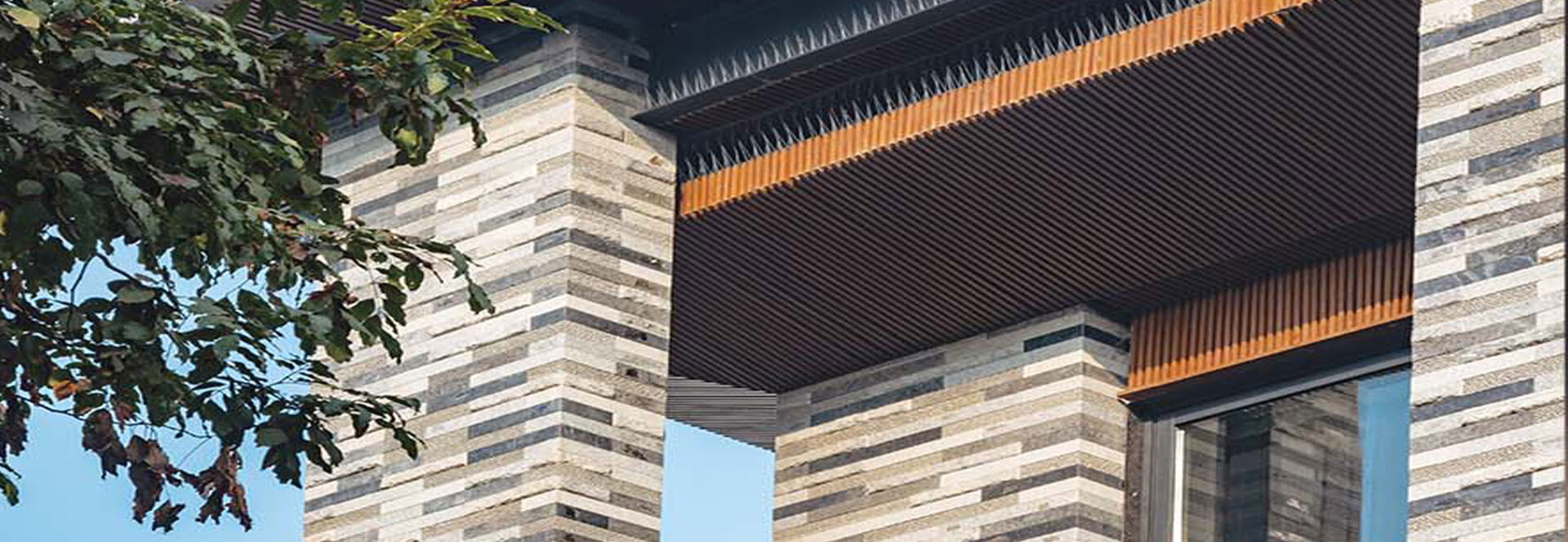
Of late, energy efficiency has become an imperative, and lighting is no exception! For architects, the core of energy-efficient lighting design begins long before fixtures or luminaires are selected. It begins with understanding the context—site orientation, path of sun, and the behaviour of natural light throughout the seasons. This calls for designing the architectural envelope as a responsive skin that constantly balances heat, glare, and illumination. In regions of high solar intensity, for example, facades must be designed incorporating deep overhangs, vertical fins, and perforated screens that diffuse sunlight while maintaining visual connection to the outdoors. In cooler climates, this can shift to a design that maximises daylight penetration, allowing interiors to remain warm and bright without the dependence on artificial lighting for much of the day.
This sensitive relationship between light and architecture extends into how artificial illumination is integrated. We consider it not a substitute for daylight, but rather an extension of it. Artificial light, when layered thoughtfully—combining ambient, task, and accent lighting—creates depth and rhythm within spaces. The advent of dimmable LEDs and daylight sensors allows illumination levels to adjust organically in response to natural light fluctuations, ensuring that spaces remain visually balanced and energy-efficient throughout the day. In this symbiosis, technology becomes invisible, improving the human experience instead of dictating its terms.

Materiality also has an important role in the dialogue between natural and artificial light. This could be amplified or softened by the kind of surfaces, textures, and colours. At WMA, we often use light-toned finishes and reflective planes to enhance daylight diffusion, complemented by warmer tones of artificial light that preserve comfort during evening hours. The result is a visual and sensory continuity—spaces that evolve gracefully from dawn to dusk without abrupt transitions.
This integration has been further enhanced through the incorporation of smart systems and automation. Occupancy sensors, programmable lighting, and the use of renewable energy sources, such as solar power, enable buildings to become more intelligent in their function, reducing waste and utilising energy more effectively. Beyond the sustainability metrics, this approach reinforces our commitment to creating living environments where light responds not only to human presence but also to natural rhythm.
Ultimately, lighting design in India’s climatic context is not about abundance or austerity, but about equilibrium. It is about embracing the vibrancy of daylight while refining the precision of artificial illumination. When natural and artificial light co-exist in harmony, energy efficiency becomes inherent, not enforced. At WMA, we don’t design with light—we design for light. A balanced lighting animates architecture, defines emotion, and fosters sustainability without ever losing its poetic essence. Whether in a private residence or an urban workspace, our aim remains the same—to create spaces where light is not just seen, but truly felt.
For more details, visit: https://www.instagram.com/wma.in/