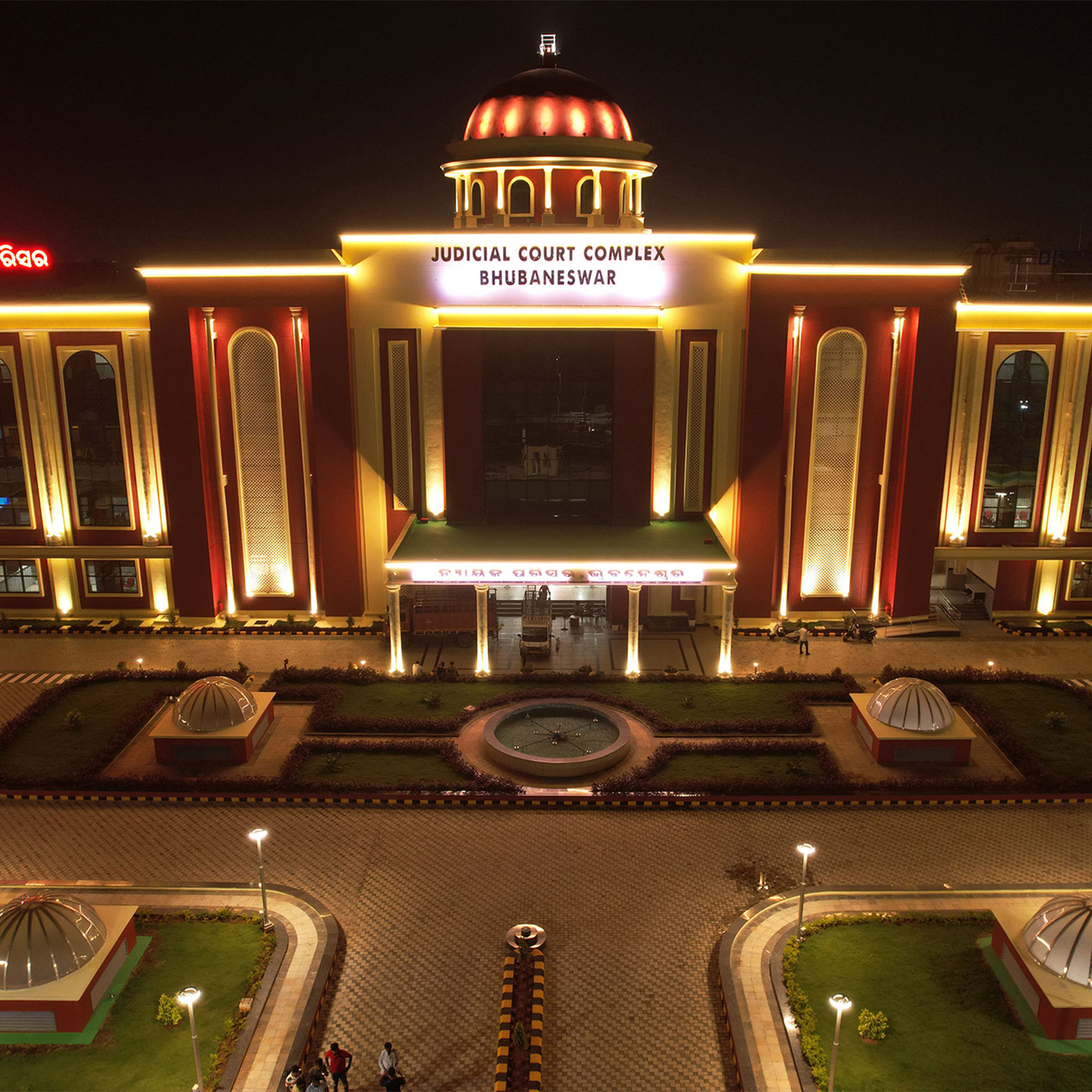
The ingenuity of thoughtful lighting in façade illumination
0 Comments
Architectural façade illumination is so prevalent...


Architectural façade illumination is so prevalent...
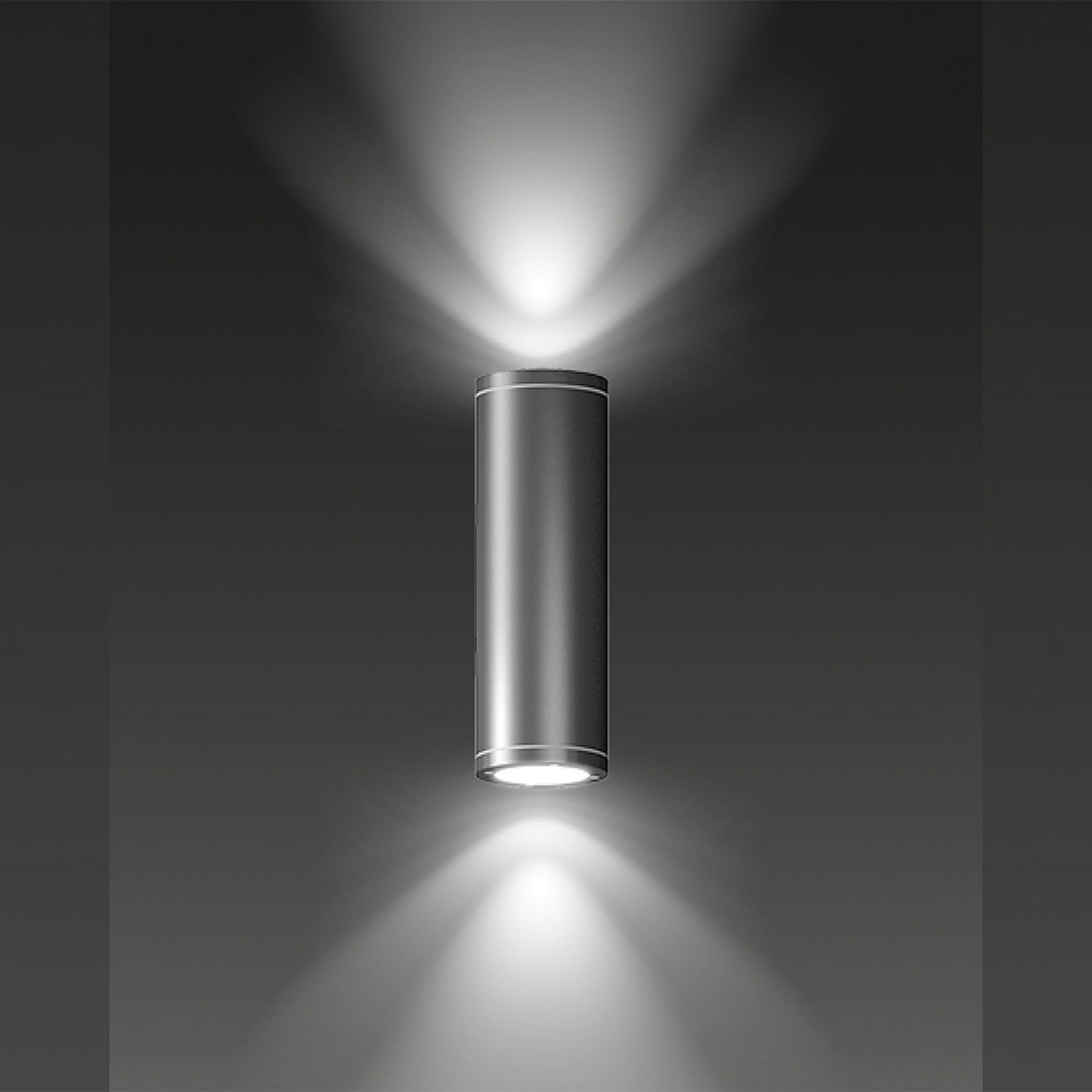
K-lite, a pioneer in the design and manufacture...
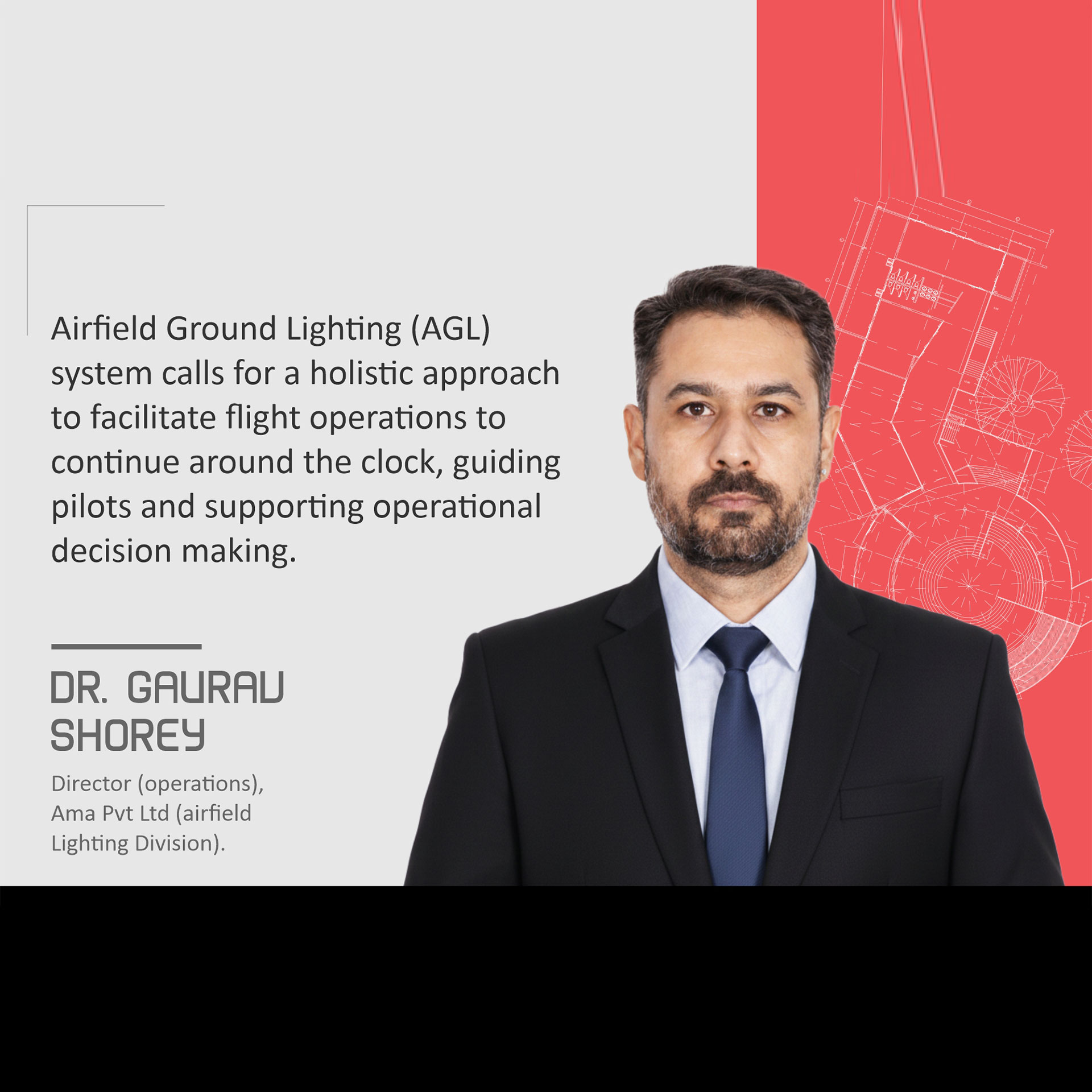
Airfield Ground Lighting (AGL) system calls for a holistic approach...
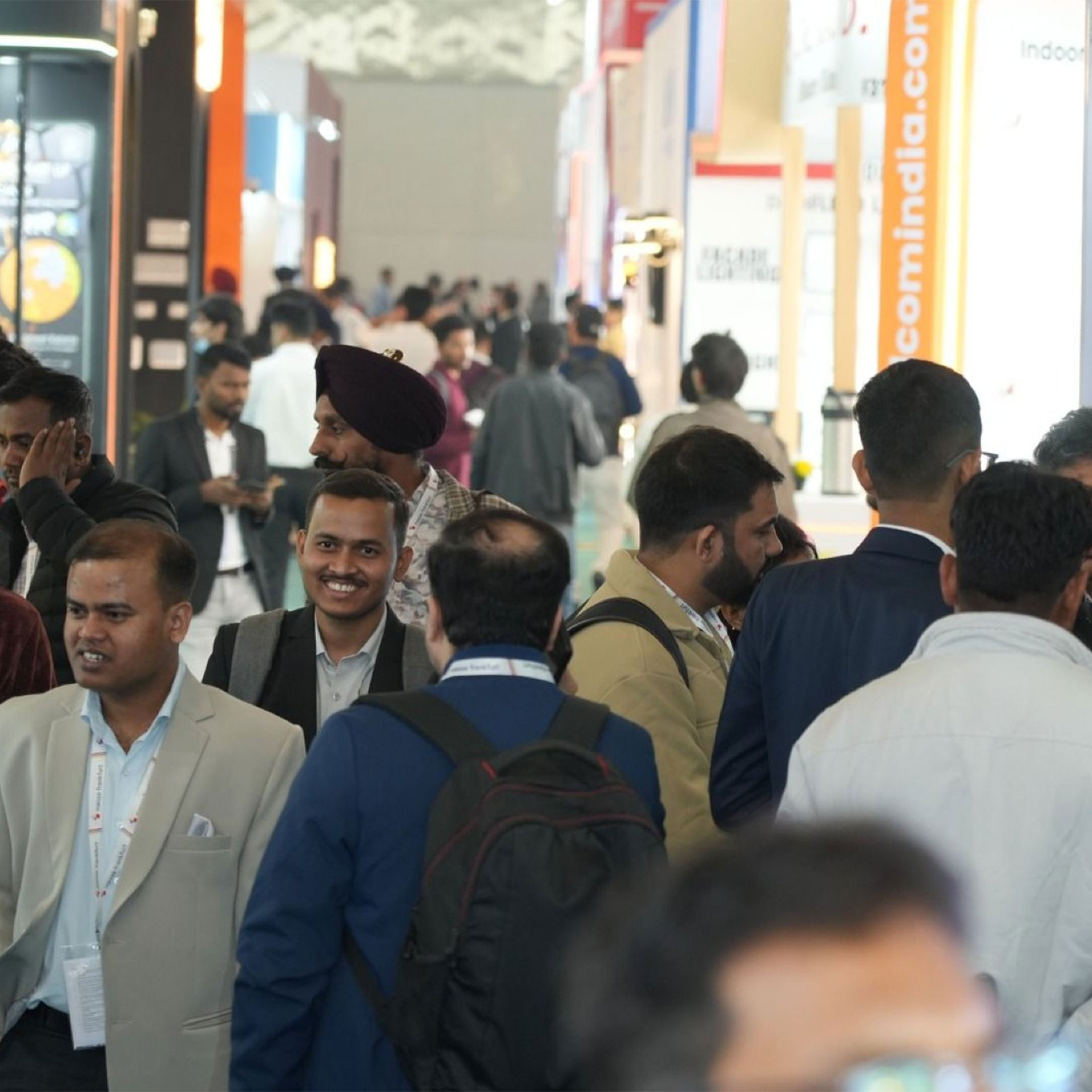
LED Expo New Delhi 2025 concluded on a high note...
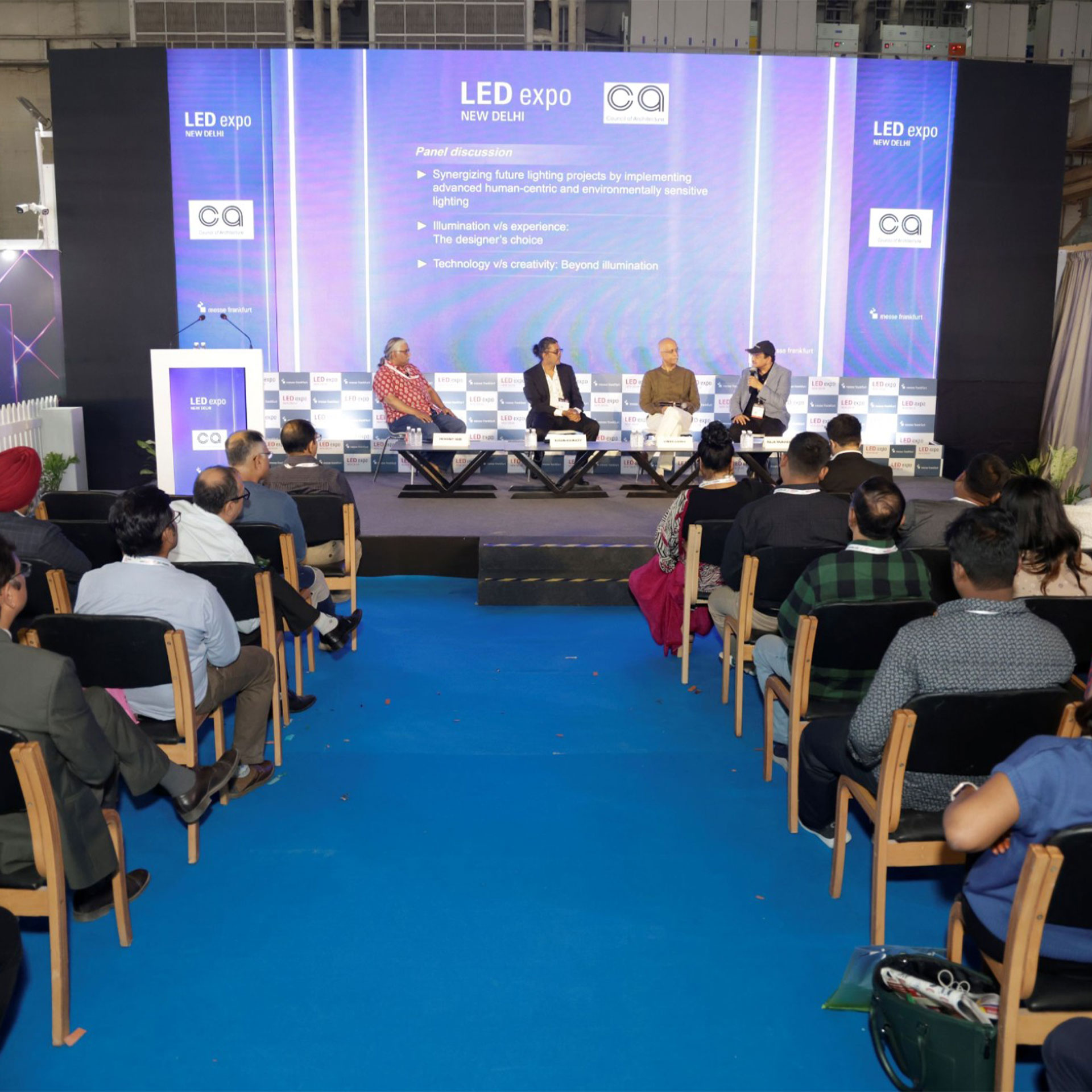
As India’s premier platform for LED and smart lighting, LED Expo New Delhi...
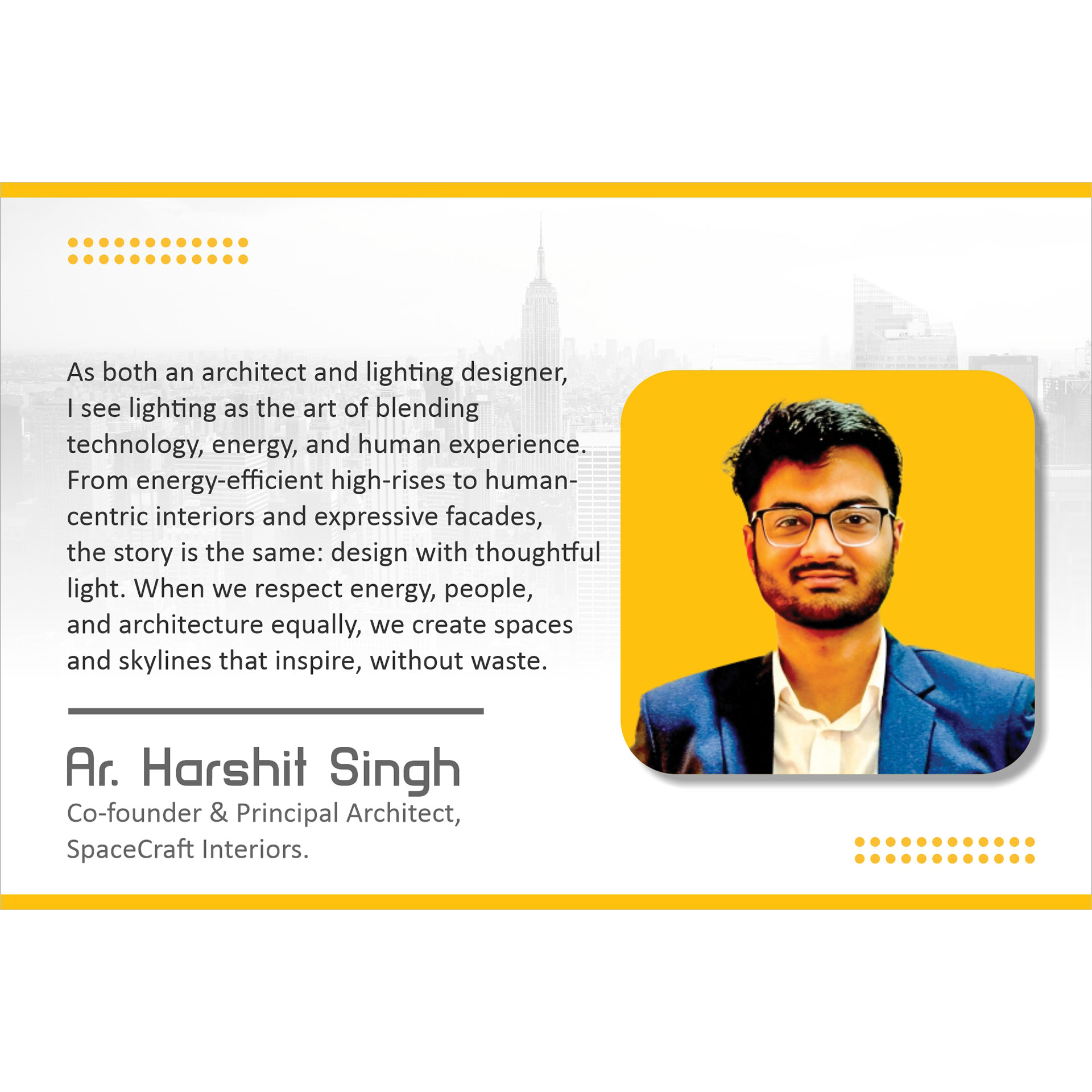
In this interaction, Ar. Harshit walks us through his philosophy...
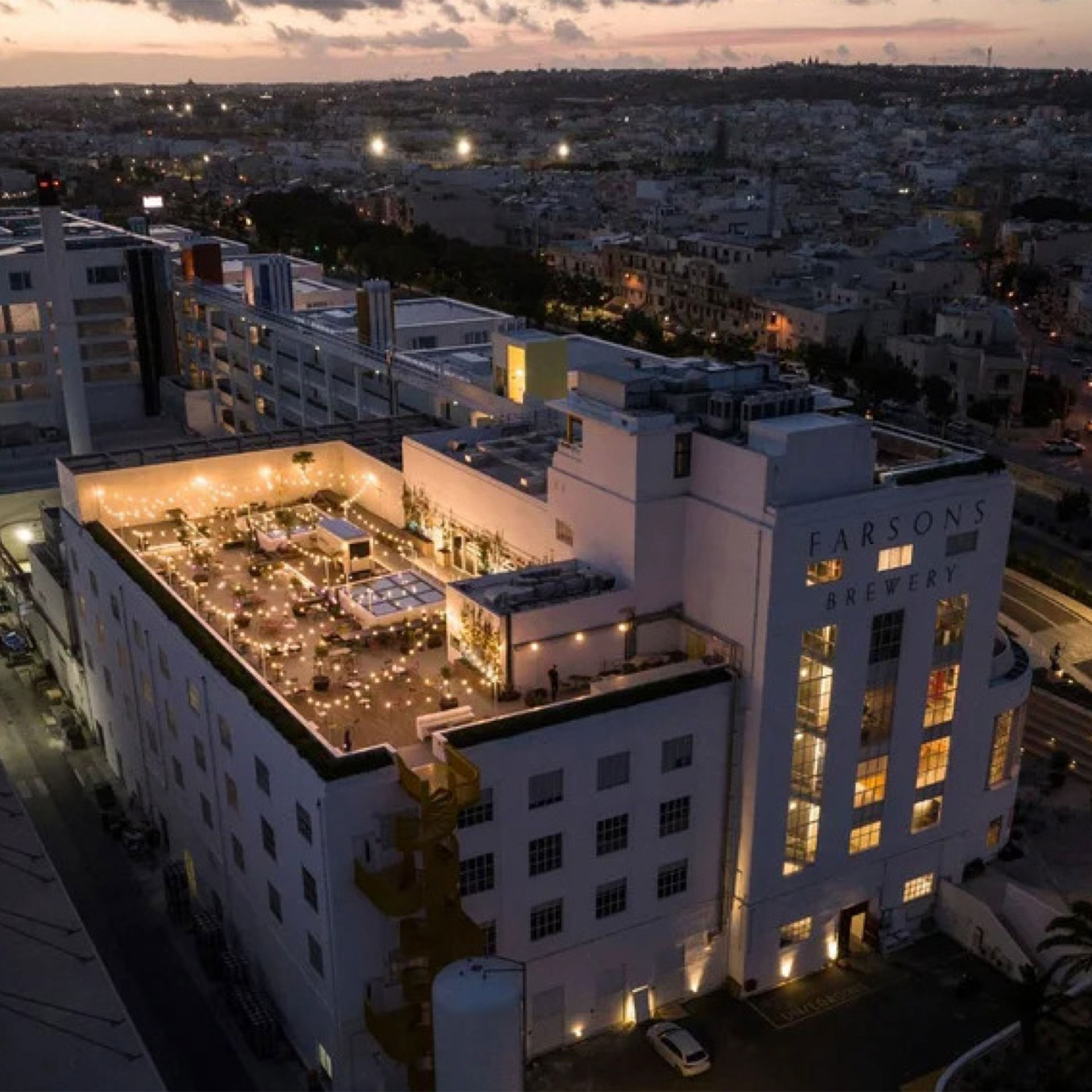
Dynamic lighting is developing as an...
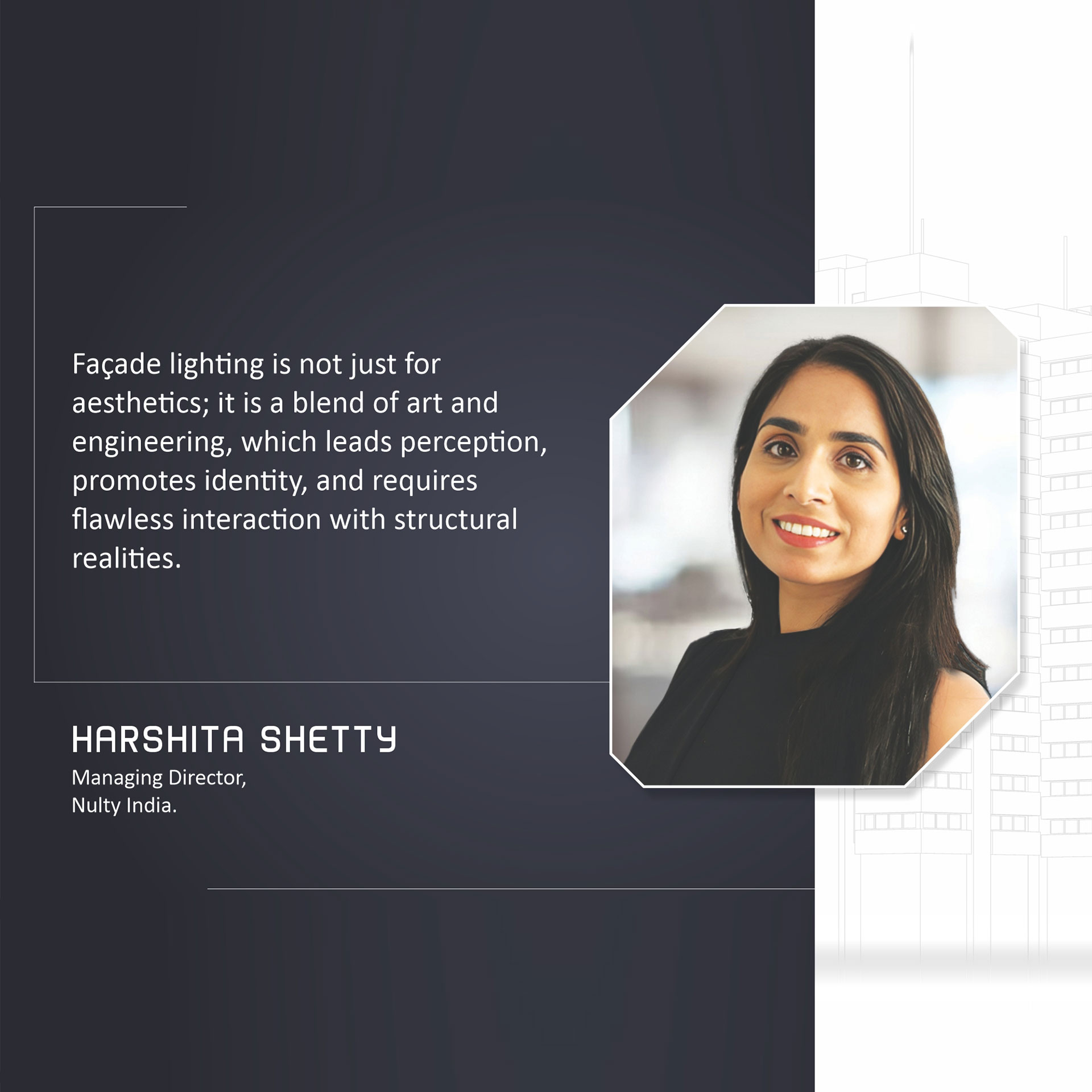
Harshita Shetty of Nulty analyses the nuances and challenges of façade lighting, highlighting how it is important to balance aesthetics and function, prioritising energy efficiency. She also highlights how façade cleaning is often overlooked in the context of building maintenance. Façade lighting is a complex art form that has evolved beyond the days of providing a money-shot vision to distinguish a structure from the metropolis. The building’s purpose is the initial point for any high-rise façade concept, as it influences everything from the architecture, materials, and character of the structure to the lighting. When a building is primarily glazed, such as a hotel or residential complex, the challenge is integrating light fixtures into a glass façade. However, flooding the façade with light might produce undesired light bleed into the rooms or homes, which calls for working to reduce this by investigating other solutions, such as incorporating the light fittings into the façade mullions. Another element to consider is the building’s location. A high-rise building in a prominent city location necessitates a comprehensive lighting solution that celebrates the entire structure. Illuminating towering structures in densely populated areas can be challenging, as sightlines are often constrained due to people’s tendency to interact closely with the building. To reduce energy usage, lighting the crown and lower floors can be an option, leaving the middle section relatively dark. These buildings are frequently connected to the public domain, which exacerbates the challenge of creating a lighting backdrop that complements their surroundings. Layers of light can be used to highlight the building’s individuality while directing visitors to warm, welcoming entry points. Nulty India_ACE While the “why” and “where” determine the façade lighting response, the “how” is often missing, especially in terms of how the lighting operates when the high-rise is inspected and maintained. The incorporation of the Building Maintenance Unit (BMU), a permanent system for façade cleaning and inspection, is an often-overlooked feature. Mapping the BMU’s paths and the reach of its cantilevered arm is critical, as luminaires must be accessible for cleaning while remaining out of the way of the BMU. Recessed luminaires are an effective option in these areas, providing a clean, unobstructed finish that allows the BMU to function correctly. Equally crucial is the compatibility of these luminaires with the building’s climate. Tall buildings in tropical locations, such as India, are subjected to dust storms during the pre-monsoon months and severe, continuous rainfall throughout the rainy season. Repeated exposure to dust can damage a luminaire’s optical system and cause undesirable fluctuations in colour temperature. Fittings should be installed in a location that is easily accessible, well-ventilated, and protected to facilitate maintenance or replacement. Rainwater can also collect on a light fitting if sufficient drainage is not provided, potentially causing corrosion or electrical issues. To avoid moisture retention, specify IP-rated fixtures with weep holes. Illuminating a tall building is a massive undertaking. It is essential to comprehend every aspect of light, encompassing geographical context, architectural intent, structural engineering, luminaire arrangement, and fixture compatibility. Cross-disciplinary teamwork is the only way to...
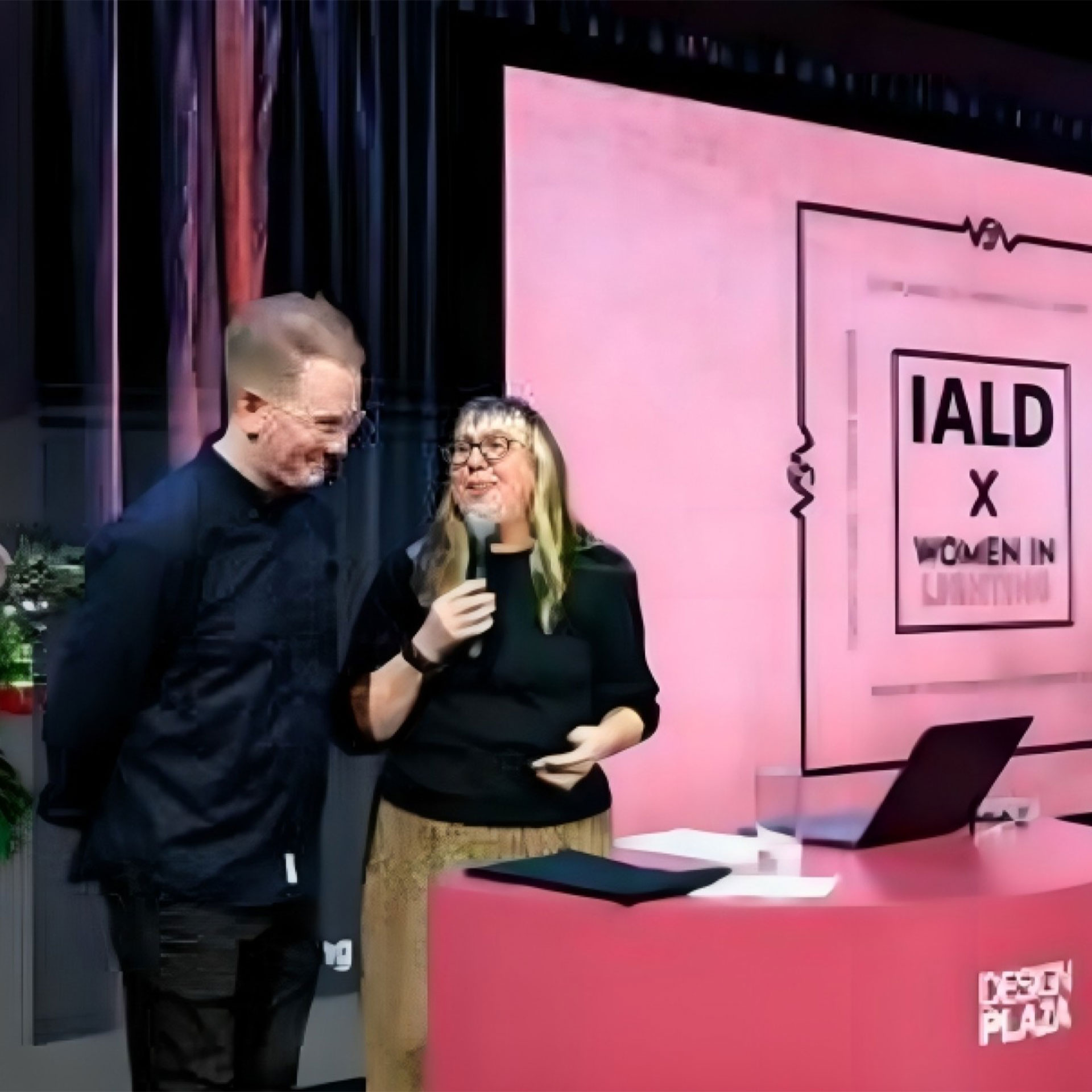
The prestigious IALD Awards will make their debut in 2026, recognising excellence in lighting design at Frankfurt’s global Light + Building fair. Excellent lighting design stages architecture, creates atmosphere, blends technical accuracy with aesthetics, and inspires the creation of the built environment. These are precisely the characteristics represented by the IALD International Lighting Design Awards. This prestigious award will be presented for the first time in 2026 at Frankfurt am Main’s Light + Building. This gives lighting design a renewed focus at the trade show.Light + Building, the world’s leading trade fair for lighting and building services technology, brings lighting designers, architects, planners, and decision-makers together to shape the future of lighting. The IALD Awards, which will be presented for the first time in March 2026, will bring the creative dimension of light into sharper focus at this international industry event.The IALD International Lighting Design Awards are among the world’s most prestigious recognitions in architectural lighting design. The International Association of Lighting Designers (IALD) presents these awards to projects that excel in design, technical precision, and atmospheric impact. As the international counterpart to the German Lighting Design Award, they set standards and highlight innovative lighting solutions. The 43rd edition will take place in March 2026 as part of Light + Building, in collaboration with the IALD. “Light + Building is the central platform for lighting design in a global context – an inspiring place where creative ideas, technical innovations and visionary concepts come together. With the IALD International Lighting Design Awards being presented in Frankfurt for the first time, the trade fair gains a new dimension of visibility and becomes even more attractive for the international lighting design community,” says Steffen Larbig, Director Brand Management Light + Building. Light is a primary focus of Light + Building. Light in all its forms is central to Light + Building, with manufacturers from all over the world presenting cutting-edge lighting concepts for interior and exterior spaces, ranging from smart, minimalist solutions to surprising lighting effects. The international platform for lighting and building services technology brings modern lighting design to life in all its forms – visually, technically, and atmospherically.High-quality events supplement the exhibitors’ offerings at the Design Plaza, with lectures, presentations, and talks providing in-depth insights into current trends, topics, and projects. Guided tours provide orientation and new perspectives. IALD – Partner for exceptional lighting design The International Association of Lighting Designers (IALD) is a global leader in professional lighting design. For more than 50 years, it has been dedicated to the promotion and recognition of exceptional lighting design. Since 1983, the IALD International Lighting Design Awards have recognised the pinnacle of architectural lighting excellence.The 42nd IALD International Lighting Design Awards will be held on May 7, 2025, at Lightfair Las Vegas. Lightfair is part of the global Light + Building network, which includes 14 trade fairs on five continents, giving companies access to the most important growth markets for lighting and building services technology. Light + Building 2026 is the world’s leading trade fair for lighting and building...
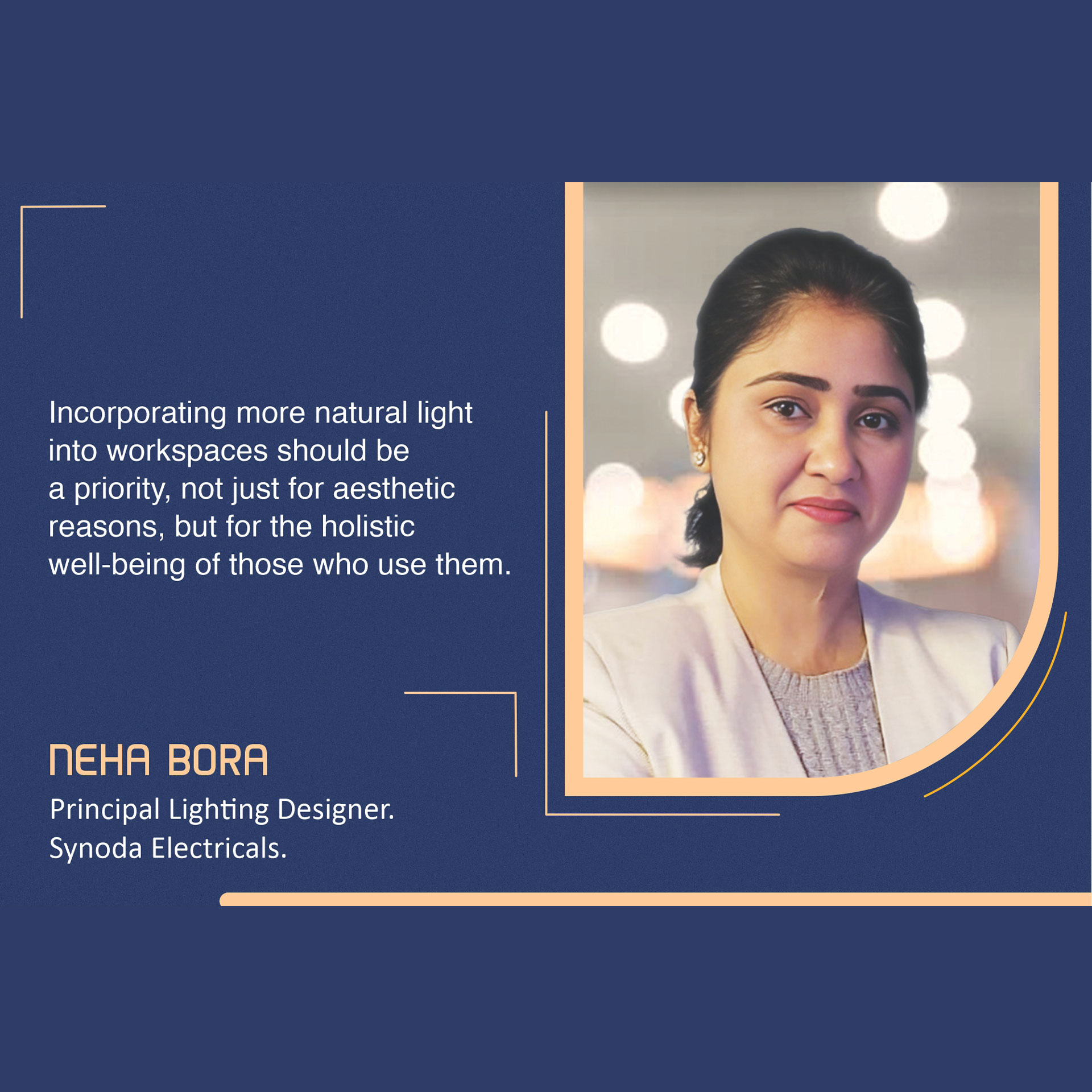
In this feature, Neha Bora elucidates how an ergonomically designed lighting system can facilitate optimal visibility and enhance overall well-being. She also outlines the best practices for designing skylights. Light is a powerful wellness toolIt is important to view light as a powerful wellness tool rather than just a medium to see things. Light has the ability to influence everything from our skin to our brain chemistry. When used perfectly, light can enhance mood, boost productivity, and regulate sleep cycles. Natural daylight is a cornerstone of health and wellness. However, many commercial and industrial buildings still suffer from poor lighting, often due to low-quality or poorly designed roof lights that allow only very little natural daylight to penetrate the interior. This lack of sunlight is a potential deterrent and can lead to fatigue, eye strain, and decreased focus. Need for a well-designed roof lighting system in industrial spacesA roof lighting system is a vital solution for industrial spaces. Integrating a roof lighting system into industrial buildings with large footfalls is a strategic investment that offers numerous benefits apart from aesthetic appeal; these include enhanced employee well-being and improved energy efficiency. Natural light, brought in through roof lights, reduces the need and reliance on artificial lighting, leading to substantial energy savings and lower operational costs. A roof light system can come in various designs and styles, catering to different needs and architectural preferences. Beyond providing natural light, roof lights can often serve additional functions such as ventilation or access points to the roof. Their versatility makes them an excellent choice for enhancing both the functionality and aesthetics of a building. What architects need to keep in mind?In addition to the practical benefits, roof lights can greatly enhance the space’s aesthetic appeal. The natural light that they bring in helps create a connection between the indoors and the outdoors. This can make a space feel more open, airy, and welcoming. Architectural designs should focus on roof lights as a feature to create a visual focal point or add a unique character to a building. For example, skylights or roof light systems with multiple panels can create dramatic lighting effects and highlight key architectural features of a building. The most effective method of providing even, consistent daylight, particularly in large buildings, is through roof lighting; it can be up to three times more efficient than windows of similar area. Diffusing materials should be used wherever possible to provide even light distribution and avoid glare. Wall glazing may be less effective than roof lighting and can create internal shadows and dark corners. Key considerations while designing skylights include understanding their purpose and function, selecting the right location/orientation of the skylight, choosing the correct type of skylight (fixed skylights, tubular skylights, curb-mounted skylights, dome skylights, etc.), selecting the right glazing and materials, and waterproofing and flashing. A common guideline is to design 5-15 percent of the total floor with skylights, taking into account the interior design and energy efficiency aspects. For more information, visit: https://www.synodalighting.in/ ...
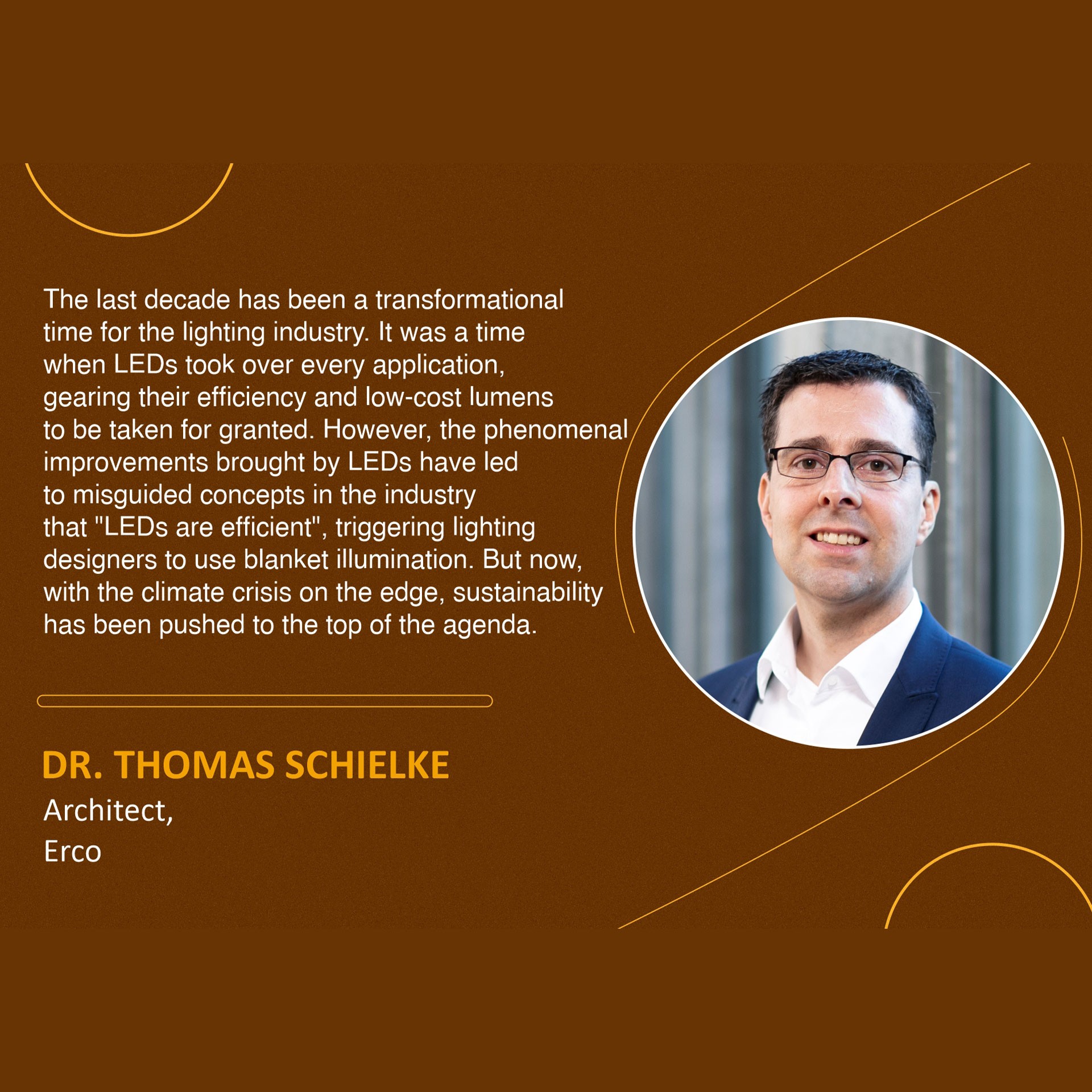
The last decade has been a transformational time for the lighting industry. It was a time when LEDs took over every application, gearing their efficiency and low-cost lumens to be taken for granted. However, the phenomenal improvements brought by LEDs have led to misguided concepts in the industry that “LEDs are efficient,” triggering lighting designers to use blanket illumination. But now, with the climate crisis on the edge, sustainability has been pushed to the top of the agenda. Efficiency does not necessarily mean sustainability. Lighting designs for a space should focus on where to illuminate and the illumination achieved in lux/watt rather than the efficiency of the light fittings in terms of luminaire lumens/watt. Designers have recently started advocating a combination of low-glare, precisely targeted task lighting and a general movement towards illuminating vertical surfaces over the floor. Light is directed exactly where it is required for carrying out tasks and where it is most effective for human perception; light is reduced everywhere else. An increased emphasis on people-centric lighting designed for visual comfort has resulted in switching the focus from the floor to the vertical surfaces. The walls need to be illuminated rather than the floor to make a space feel bright. For example, the room feels three to five times brighter if 100 lx is put on the wall instead of the floor.” Superior lighting with half the energy Historically, walls were not prioritised. But the European Indoor Lighting Standard EN 12464-1’s latest version has started taking it more seriously. In workplaces/offices, prioritising to guide light where human perception requires it would dictate that light is delivered to the desktops or laptops. For instance, in a 100 sq.m office, desks could make up 20 sq.m of the space. So, if only the walls and desks were to be lit up, compared to uniform blanket illumination, almost half the energy would be saved while creating a better and brighter visual space for people. The need for a design rethink started with spotlights. Many spotlights on the market today use a combination of chip-on-board (CoB) LED modules with reflectors. While the combination achieves a good luminaire lumen/watt measurement, it generates a large, uncontrolled corona of light around the beam, resulting in wasted stray light. This is because much of the light from the CoB modules does not hit an optical system but gets scattered everywhere—additionally, the very phenomenon of reflection results in a reduction of light. ERCO solution for energy efficiency ERCO spotlights use lens systems with single high-powered chips. Although tiny, this bright point of light is much easier to control into a narrow beam of effective light. ERCO’s chips and printed circuit boards are indigenously designed, and the chips are mounted on the boards before they are paired with customised lens designs. Although this model has only nominally lower lm/W values, it brings up to 20 percent more light to the target surface than its competitors. This means that planners who only look at the lm/W values on a luminaire’s technical data sheet are giving away the potential for sustainable lighting, focusing on more light in the target area and energy savings. The lx/W metric is the key to effectiveness The latest generation of the ERCO Parscan spotlight, for instance, has a high lumen-to-watt ratio of 105 lm/W, but it has an ultra-high lx/W metric compared to other luminaires, a testimony to its effectiveness. An additional important aspect of sustainable lighting is avoiding glare. If there is glare, the visual contrast is lowered, requiring more light to be added to the task. The combination of effectively targeted light and high visual comfort may sound simple at first glance, but its implementation can be radical! With the climate crisis looming and those lumens no longer cheap, a radical approach that recalls perception-orientated lighting design with high visual comfort is probably just what is needed. For more details, visit: https://www.erco.com/en/ ...
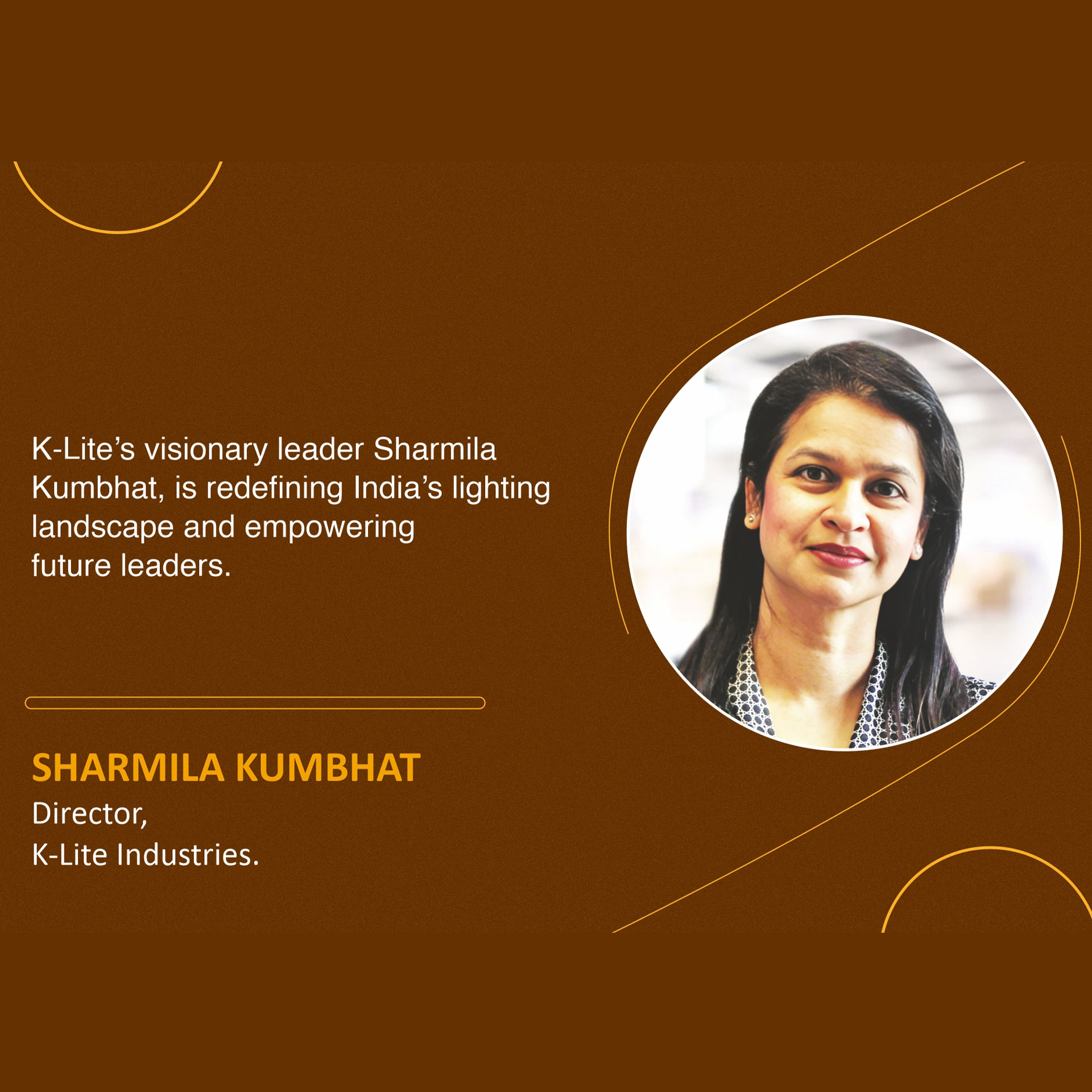
K-Lite’s visionary leader, Sharmila Kumbhat, is redefining India’s lighting landscape and empowering future leaders. Early beginnings: A determined path to successSharmila began her business journey at 16 with Metal Craft, a fabrication unit, where she honed her technical and leadership skills. At 19, she earned the prestigious “Best Female Entrepreneur Award” from the then Chief Minister of Tamil Nadu, marking a significant milestone in her career. During her design studies in New York, she founded and operated two successful export-orientated companies, which helped her gain deep insights into global business dynamics. Driven to contribute to India, she returned to Chennai to join her family business, K-Lite Industries, a leading manufacturer of luminaires and decorative poles. At K-Lite, she introduced innovative design concepts, streamlined operations, and transformed the firm into a modern, system-driven entity. Sharmila cherishes her time with Ratan Tata, whose leadership and values profoundly impacted her. Her focus on quality, modularity, and design excellence has strengthened the company’s position nationally and globally. Under her leadership, K-Lite has supplied custom lighting solutions to prestigious projects, including the Indian Parliament area, the Parliament Complex in Cairo, and renowned religious sites like the Golden Temple in Amritsar, Ayodhya, and Varanasi. A champion of innovation: Shaping the future of smart lightingRecognising the role of lighting in urban planning and smart city development, Sharmila has led K-Lite’s expansion into this space. Through K-Lite Europe in London, K-Lite serves the growing European market with advanced lighting solutions. This expansion has positioned K-Lite as a leader in smart lighting, catering to the evolving needs of modern urban environments. Collaborating with international designers and consultants, Sharmila continues to push the boundaries of what lighting can achieve. Empowering women: A visionary leader with a commitment to equalitySharmila’s advocacy for women’s empowerment is reflected through K-Lite having more than 50 percent women workforce, which is remarkable in an industry traditionally dominated by men. Her commitment to fostering an inclusive work environment stems from her belief that everyone has unique strengths and potential. Her journey, marked by resilience and determination, serves as an inspiration to women across industries. By breaking barriers in a male-dominated sector, she has shown that women can succeed and be leaders in highly competitive industries. Sharmila actively mentors young professionals, both within and outside her organisation. A vision for the future: Leading with purpose and passionSharmila continues to lead K-Lite and remains committed to innovation, excellence, and empowerment. Her vision for the future is to create lighting solutions that meet today’s needs and anticipate tomorrow’s demands. Her work in smart city lighting, sustainable design, and global expansion has positioned K-Lite as a leader in next-generation lighting solutions. Sharmila Kumbhat remains a guiding force in the lighting industry and a role model for aspiring businesswomen worldwide. For more details, visit: https://www.klite.in/ ...